NetZero Insider
Agriculture & Land UseBuilding DecarbonizationCookingEnergy EfficiencySpace HeatingWater HeatingCommentary & Special ReportsConference coverageCompany NewsEquity & EconomicsEmployment & Economic ImpactEnvironmental & Social JusticeFederal PolicyCongressDepartment of EnergyLoan Programs Office (LPO)Department of TransportationEnvironmental Protection AgencyFederal Energy Regulatory CommissionGeneral Services Administration (GSA)Interior DepartmentBureau of Land ManagementBureau of Ocean Energy ManagementNuclear Regulatory CommissionTreasury DepartmentWhite HouseGeneration & FuelsBioenergyFossil FuelsCoalNatural GasGeothermalHydrogenNuclearSMRRenewable PowerCommunity solarHydropowerOffshore Wind PowerOnshore Wind PowerSolar PowerRooftop solarUtility scale solarImpact & AdaptationIndustrial DecarbonizationState and Local PolicyAlabamaArizonaCaliforniaCA LegislationCalifornia Air Resources Board (CARB)California Energy Commission (CEC)California Public Utilities Commission (CPUC)ColoradoConnecticutDelawareDistrict of ColumbiaFloridaGeorgiaHawaiiIdahoIllinoisIndianaKentuckyLouisianaMaineMarylandMassachusettsMichiganMinnesotaMississippiMissouriMontanaNevadaNew HampshireNew JerseyNew MexicoNew YorkNYSERDAPublic Service CommissionNorth CarolinaNorth DakotaOhioOntarioOregonPennsylvaniaRhode IslandSouth CarolinaTennesseeTexasUtahVermontVirginiaWashingtonWest VirginiaWisconsinWyomingTechnologyCarbon CaptureTransmission & DistributionEnergy StorageMicrogridsTransportation DecarbonizationAirplane DecarbonizationEV chargersHeavy-duty vehiclesBattery Electric Buses (BEB)Fuel Cell Electric Buses (FCEB)Light-duty vehiclesBattery Electric VehiclesFuel Cell VehiclesPlug-in hybrid electric vehiclesShip electrificationClean Ports
BOEM
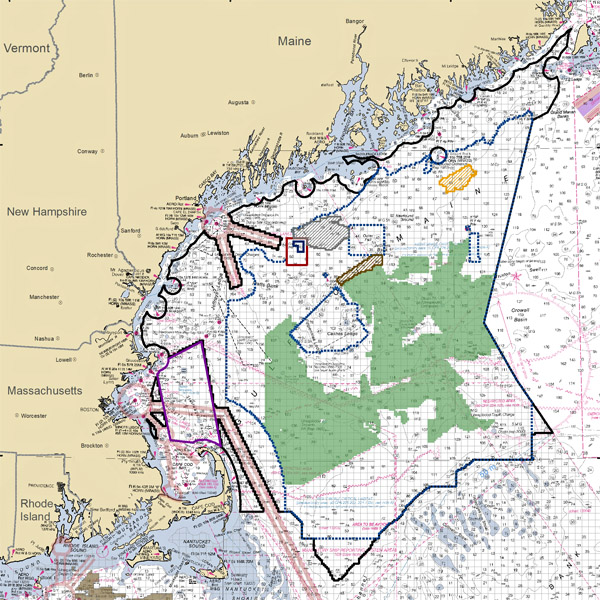
Federal regulators have designated a draft wind energy area in the Gulf of Maine, shrinking it substantially from its earlier stages and excluding a key lobster fishing area.
Lund's Fisheries
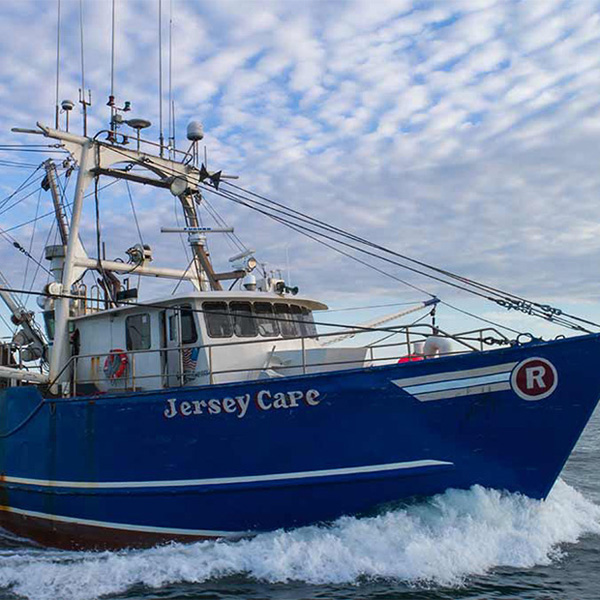
A coalition of commercial fishing interests, hotel and motel owners and an environmental group have sued to overturn approval for New Jersey’s first offshore wind project.

Senate ENR
DOE's Crane and Shah said all grant and loan applications are evaluated and carefully vetted by federal career staff and agency engineers and experts.
FERC
FERC issued a final rule Thursday directing NERC to develop standards to improve the reliability of inverter-based resources.
Idaho Power
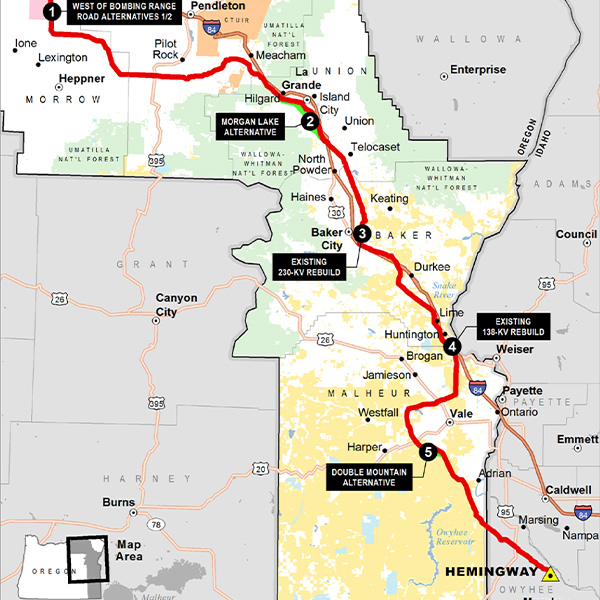
FERC approved a transmission asset swap between Idaho Power and PacificCorp as part of the companies’ plans to develop a 300-mile-long, 500-kV line.

BrightNight
FERC is moving to grant a solar developer’s request to force the Arizona Electric Power Cooperative to allow interconnection.
NREL
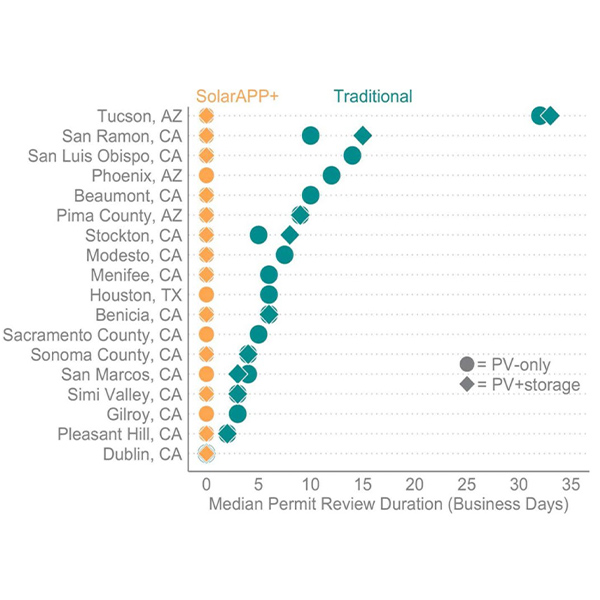
At least 44 California cities now automate permitting for residential rooftop solar projects, following passage of a state law last year requiring them to adopt a permitting platform.
SPP
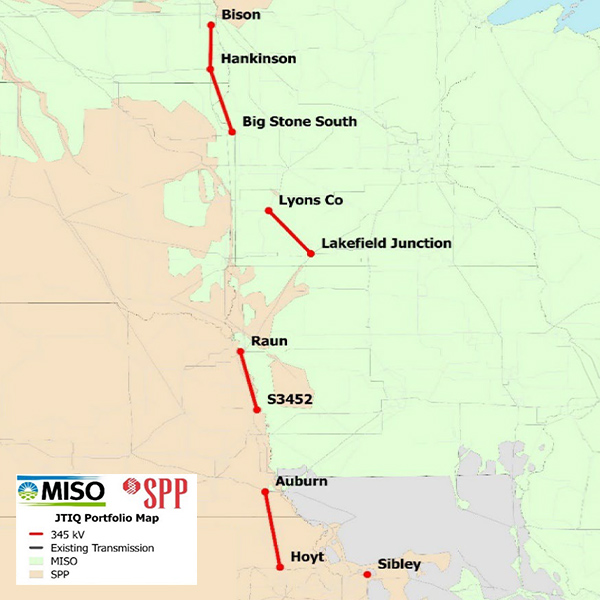
DOE announced $3.46 billion in funding for grid resilience and improvement projects, including the MISO-SPP joint targeted interconnection queue portfolio.
Washington Dept. of Ecology
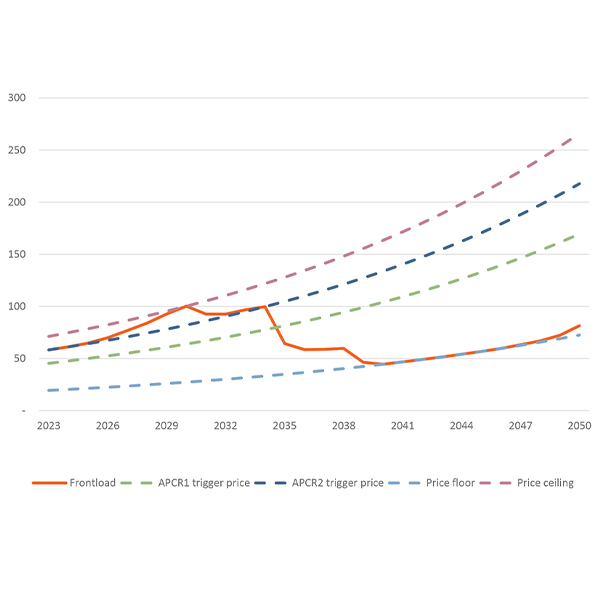
A decision by Washington to link its cap-and-trade program to the one shared by California and Quebec should benefit participants in both systems, according to preliminary analysis by the state.
ISO-NE
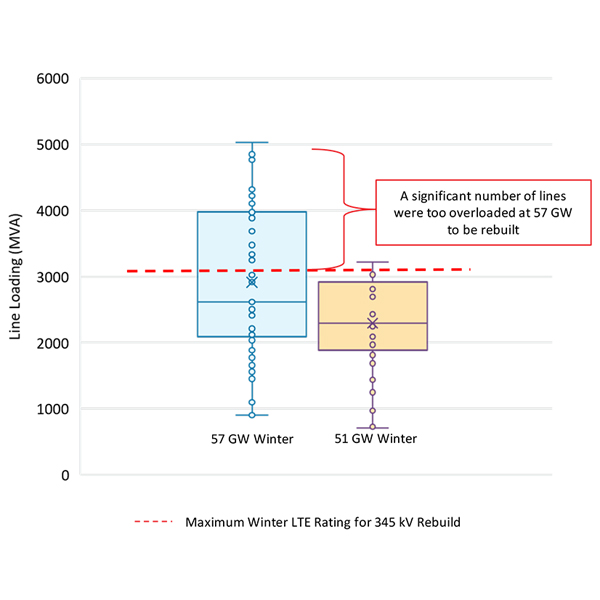
Transmission upgrades that are needed to avoid overloads in a fully electrified New England by 2050 could cumulatively cost between $22 billion and $26 billion, ISO-NE told its Planning Advisory Committee.
Want more? Advanced Search