NetZero Insider
Agriculture & Land UseBuilding DecarbonizationCookingEnergy EfficiencySpace HeatingWater HeatingCommentary & Special ReportsConference coverageCompany NewsEquity & EconomicsEmployment & Economic ImpactEnvironmental & Social JusticeFederal PolicyCongressDepartment of EnergyLoan Programs Office (LPO)Department of TransportationEnvironmental Protection AgencyFederal Energy Regulatory CommissionGeneral Services Administration (GSA)Interior DepartmentBureau of Land ManagementBureau of Ocean Energy ManagementNuclear Regulatory CommissionTreasury DepartmentWhite HouseGeneration & FuelsBioenergyFossil FuelsCoalNatural GasGeothermalHydrogenNuclearSMRRenewable PowerCommunity solarHydropowerOffshore Wind PowerOnshore Wind PowerSolar PowerRooftop solarUtility scale solarImpact & AdaptationIndustrial DecarbonizationState and Local PolicyAlabamaArizonaCaliforniaCA LegislationCalifornia Air Resources Board (CARB)California Energy Commission (CEC)California Public Utilities Commission (CPUC)ColoradoConnecticutDelawareDistrict of ColumbiaFloridaGeorgiaHawaiiIdahoIllinoisIndianaKentuckyLouisianaMaineMarylandMassachusettsMichiganMinnesotaMississippiMissouriMontanaNevadaNew HampshireNew JerseyNew MexicoNew YorkNYSERDAPublic Service CommissionNorth CarolinaNorth DakotaOhioOntarioOregonPennsylvaniaRhode IslandSouth CarolinaTennesseeTexasUtahVermontVirginiaWashingtonWest VirginiaWisconsinWyomingTechnologyCarbon CaptureTransmission & DistributionEnergy StorageMicrogridsTransportation DecarbonizationAirplane DecarbonizationEV chargersHeavy-duty vehiclesBattery Electric Buses (BEB)Fuel Cell Electric Buses (FCEB)Light-duty vehiclesBattery Electric VehiclesFuel Cell VehiclesPlug-in hybrid electric vehiclesShip electrificationClean Ports
Nexamp
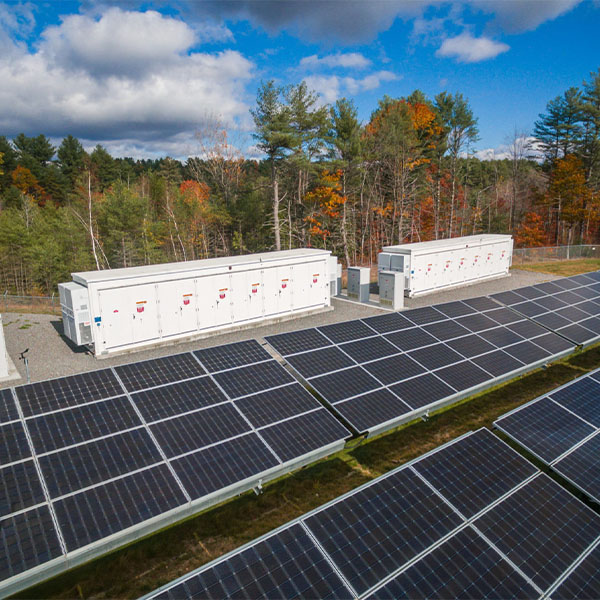
A new study looking at the business case for comparable behind-the-meter and front-of-the-meter battery storage systems in Massachusetts found that FTM storage “significantly outperformed” the BTM systems, despite significant programs and incentives supporting BTM storage in the state.
PJM
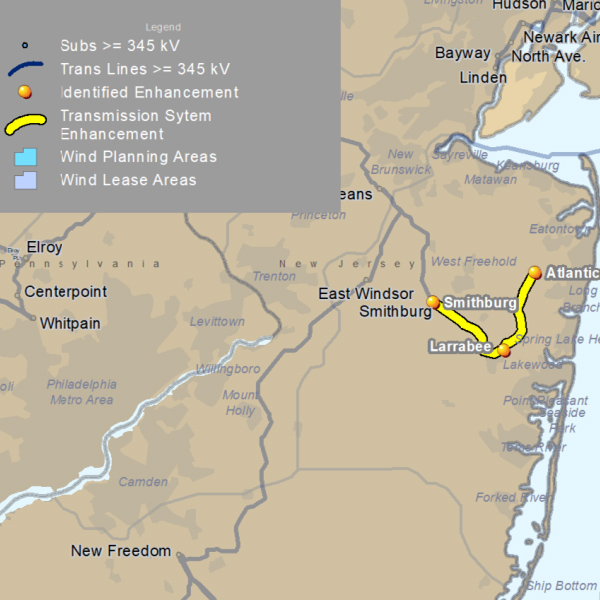
The Department of Energy has withdrawn a $716 million loan commitment that would have helped New Jersey upgrade the state transmission system to connect offshore wind to the grid.
Constellation Energy
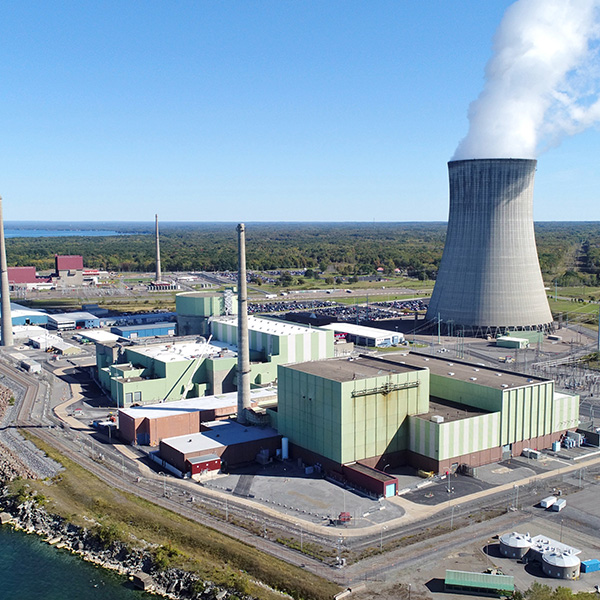
A new report estimates keeping New York’s aging commercial nuclear reactors running through 2050 would result in $50 billion in energy savings.
Revolution Wind
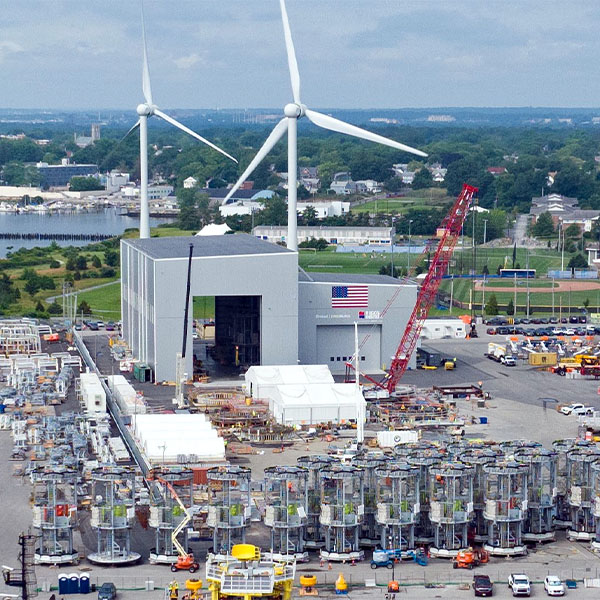
Revolution Wind’s developers are seeking an emergency injunction against the federal stop-work order slapped on the offshore wind project.
Ørsted
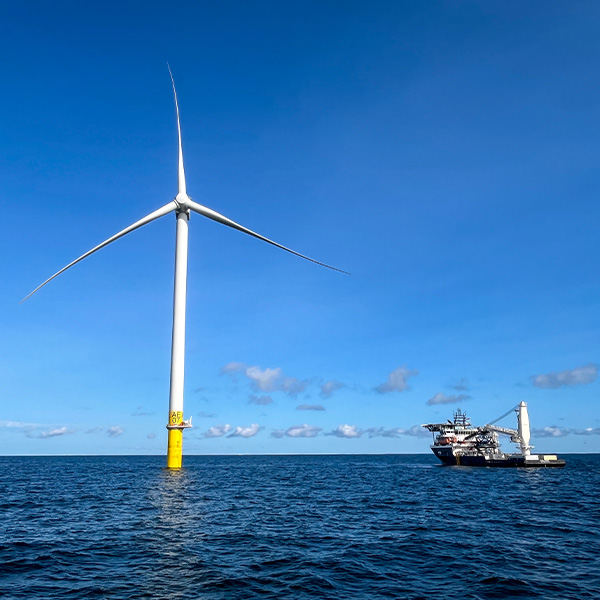
The Trump administration is moving to close the door on U.S. offshore wind development by remanding approvals for all projects not already under construction.
ACP
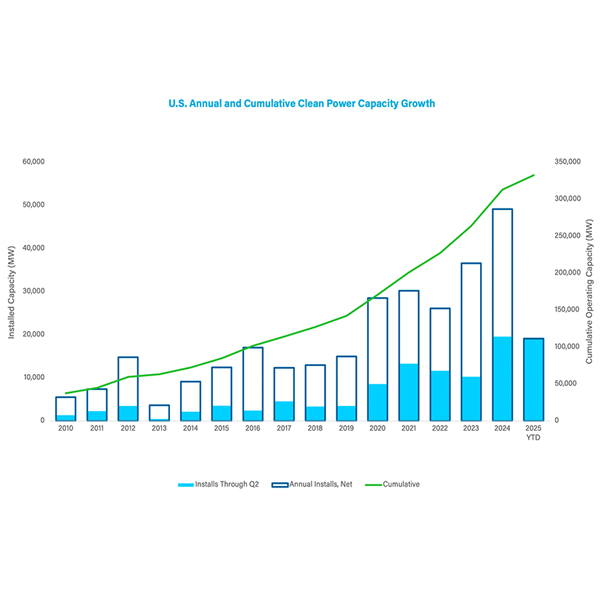
ACP reported a drop in the pipeline of new projects as federal policies shifted this year, but installations have yet to be impacted by those changes.

McGranahan Architects
Washington’s Ecology Department clarified that cap-and-invest rules that apply to CAISO’s Western Energy Imbalance Market also will cover the ISO’s Extended Day-Ahead Market when it begins operations in 2026.
SouthCoast Wind Energy
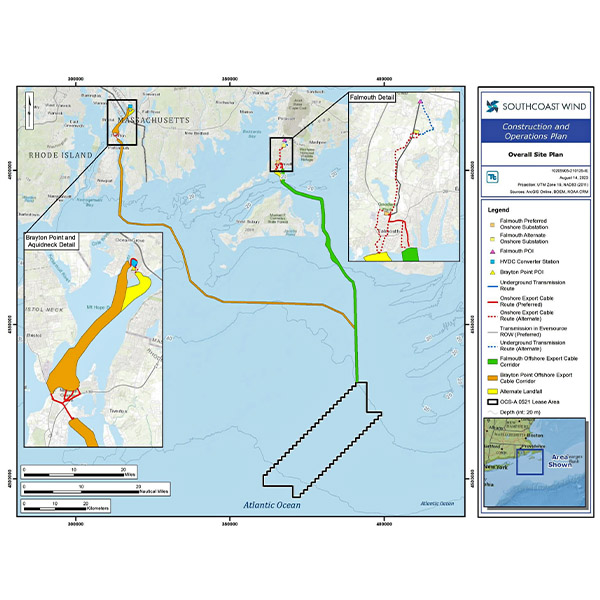
In an Aug. 29 filing in federal court in Washington, D.C., the Department of the Interior said it intends to reconsider its approval of the construction and operations plan for SouthCoast Wind off the New England coast.
NuScale
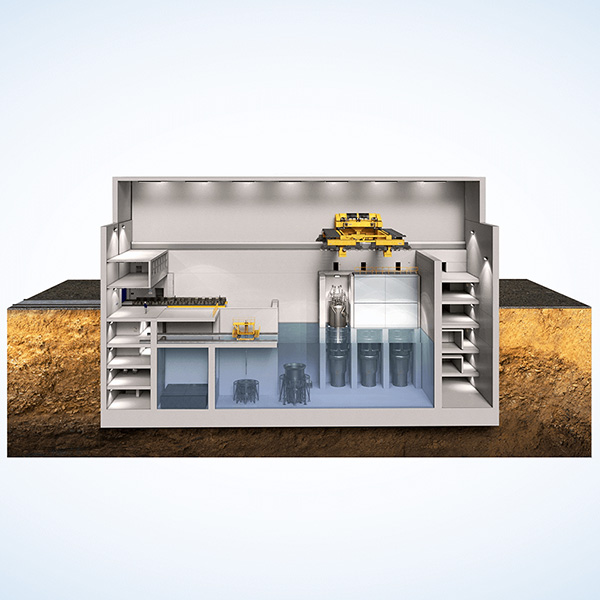
TVA and ENTRA1 Energy will develop new nuclear plants using the small modular reactor NuScale Power expects to deploy by 2030.

© RTO Insider
New York’s Build-Ready program seeks to place renewable generation on sites such as landfills, abandoned industrial sites and dormant electric-generating facilities, but thus far it has struggled to find suitable locations.
Want more? Advanced Search