
CAISO/WEIM
CAISO Board of GovernorsCalifornia Agencies & LegislatureCalifornia Air Resources Board (CARB)California Energy Commission (CEC)California LegislatureCalifornia Public Utilities Commission (CPUC)EDAMOther CAISO CommitteesWestern Energy Imbalance Market (WEIM)WEIM Governing Body
The California Independent System Operator serves about 80% of California's electricity demand, including the service areas of the state's three investor-owned utilities. It also operates the Western Energy Imbalance Market, an interstate real-time market covering territory that accounts for 80% of the load in the Western Interconnection.

CAISO
At one of the most well attended workshops of the year, CAISO staff described new processes for scheduling intertie resources and resource adequacy imports in EDAM.
New Mexico Renewable Energy Transmission Authority
The Western Resource Adequacy Program Day-Ahead Market Task Force held its first meeting after the program’s binding decision deadline, with members exploring how the new participant footprint will impact transmission connectivity and other issues.
Shutterstock
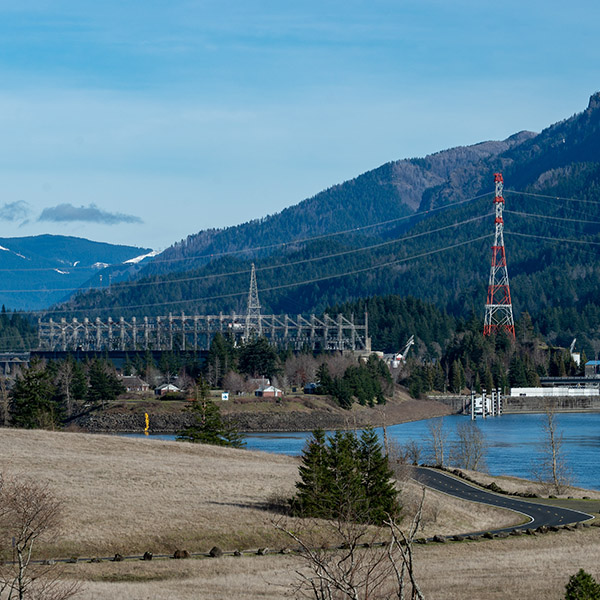
A group of nonprofits suing BPA said its decision to join SPP’s Markets+ instead of CAISO’s EDAM “violated clear mandates from Congress.”
CAISO
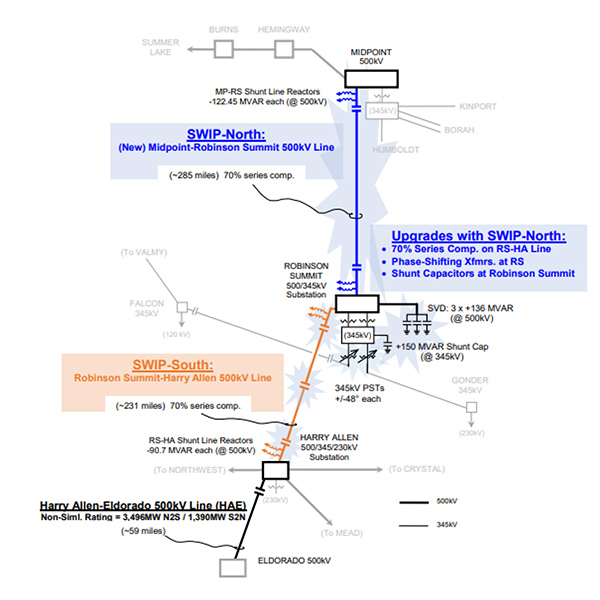
FERC granted Great Basin Transmission’s request for incentives and a transmission owner tariff for its SWIP-North line – rejecting arguments that the project no longer makes sense with the cancellation of the Lava Ridge wind farm.
© RTO Insider LLC
CAISO’s Board of Governors approved two proposals intended to improve how the ISO calculates resource adequacy values and tracks RA supply.

Seattle City Light
Sixteen entities have committed to participating in the Western Resource Adequacy Program’s first financially “binding” season covering winter 2027/28, the Western Power Pool said.

Shutterstock
PacifiCorp joins other utilities leaving the Western Power Pool’s Western Resource Adequacy Program just before the deadline to commit to the program’s first binding phase.

CAISO
In an ongoing high-stakes analysis, CAISO has determined that transactions between PacifiCorp’s two balancing authority areas can “materially” affect parallel flows on certain CAISO transmission constraints.

Camerafiend, CC BY-SA-3.0 via Wikimedia Commons
Calpine, Eugene Water & Electric Board, PGE and PNM joined NV Energy in leaving the Western Resource Adequacy Program, while Idaho Power signaled its continued commitment.

CAISO
PacifiCorp and Portland General Electric remain on track to join CAISO’s Extended Day-Ahead Market on their planned entry dates, although the schedule remains “very tight and very aggressive."
Want more? Advanced Search
