
CAISO/WEIM
CAISO Board of GovernorsCalifornia Agencies & LegislatureCalifornia Air Resources Board (CARB)California Energy Commission (CEC)California LegislatureCalifornia Public Utilities Commission (CPUC)EDAMOther CAISO CommitteesWestern Energy Imbalance Market (WEIM)WEIM Governing Body
The California Independent System Operator serves about 80% of California's electricity demand, including the service areas of the state's three investor-owned utilities. It also operates the Western Energy Imbalance Market, an interstate real-time market covering territory that accounts for 80% of the load in the Western Interconnection.
BloombergNEF
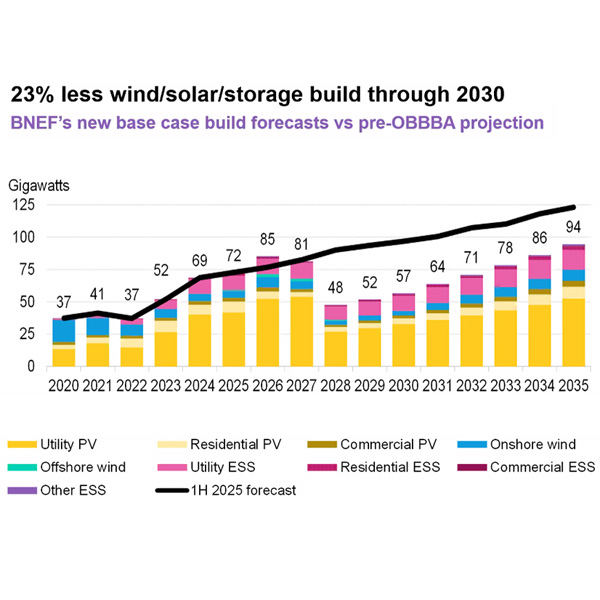
Construction of new wind, solar and energy storage facilities will decrease significantly over the next five years, a BloombergNEF analyst said in an presentation to the California Energy Commission.
Western Power Pool
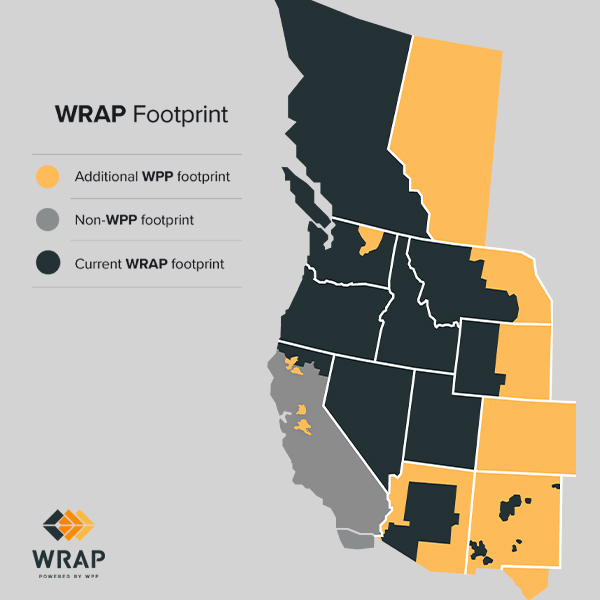
The Western Power Pool’s Board of Directors denied PacifiCorp’s request to postpone the deadline by which Western Resource Adequacy Program participants must commit to the first “binding” phase of the program.
© RTO Insider
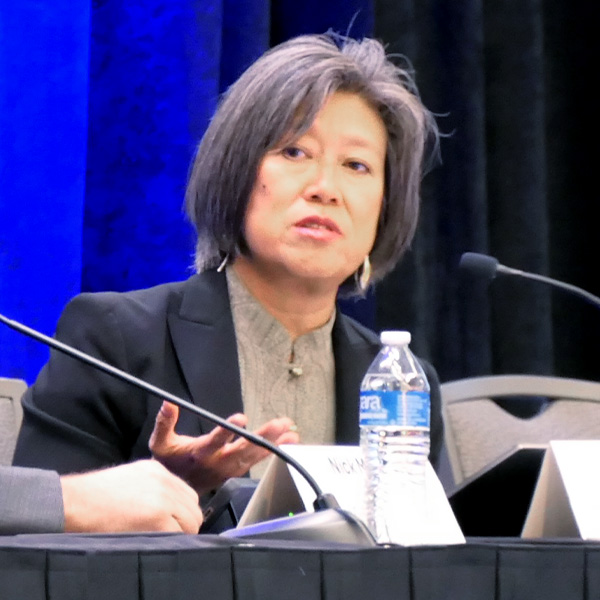
FERC Commissioners Judy Chang and Lindsay See endorsed a letter by Chair David Rosner on the sharing of best practices around load forecasting in light of growing demand driven by data centers.
CAISO
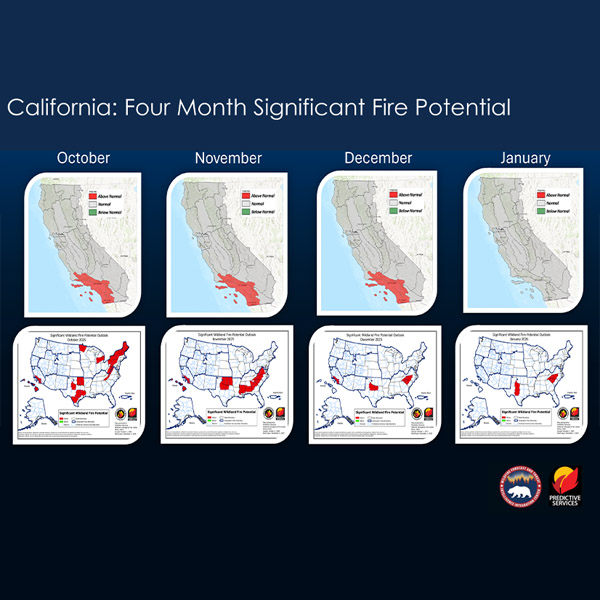
Southern California faces an above-normal chance of a significant wildfire in the coming months, less than one year after fires burned the Los Angeles region.

CPUC
A California PUC judge has proposed the commission order an additional 6 GW of capacity for the state between 2029 and 2032 to get ahead of disappearing federal tax credits and loans for renewable energy resources.
Moonwater Capital
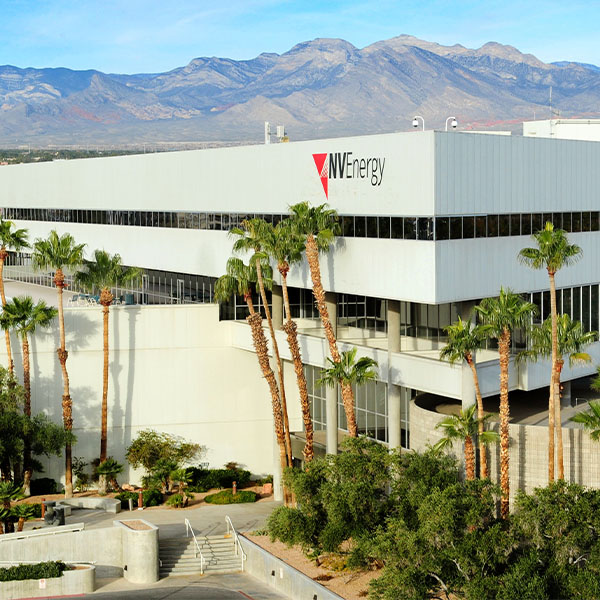
NV Energy notified the Public Utilities Commission of Nevada that it plans to leave the Western Power Pool’s Western Resource Adequacy Program, citing five critical issues with the program’s design.
© RTO Insider LLC
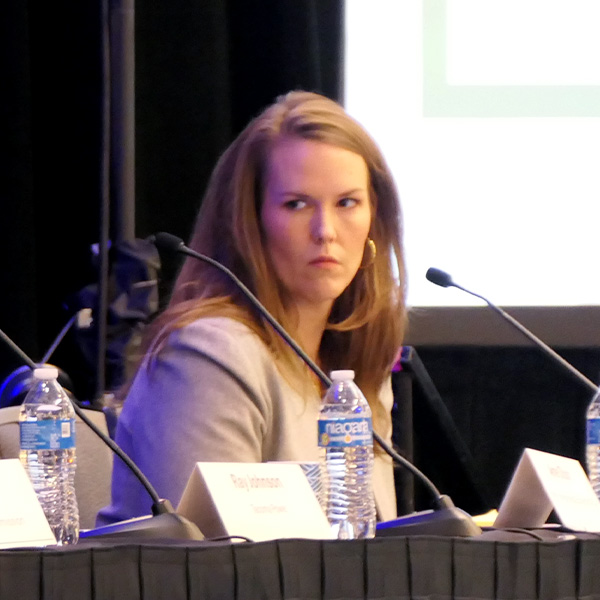
PacifiCorp asked the WPP’s Board of Directors to allow WRAP participants to defer their decision to commit to the program’s binding phase by at least one year.

CPUC
The California PUC is recommending the state build an additional 68.5 GW of new solar generation resources by 2045, despite new tariffs on imports and the planned elimination of federal tax credits.
© RTO Insider LLC
The Western Power Pool’s WRAP secured enough participants for the program to enter the first binding phase after 11 utilities reaffirmed their commitment.
© RTO Insider
The construction of new data centers could lead to transmission line overloads in the Bay Area, CAISO forecasts show.
Want more? Advanced Search
