CAISO/WEIM
CAISO Board of GovernorsCalifornia Agencies & LegislatureCalifornia Air Resources Board (CARB)California Energy Commission (CEC)California LegislatureCalifornia Public Utilities Commission (CPUC)EDAMOther CAISO CommitteesWestern Energy Imbalance Market (WEIM)WEIM Governing Body
The California Independent System Operator serves about 80% of California's electricity demand, including the service areas of the state's three investor-owned utilities. It also operates the Western Energy Imbalance Market, an interstate real-time market covering territory that accounts for 80% of the load in the Western Interconnection.
NWPP
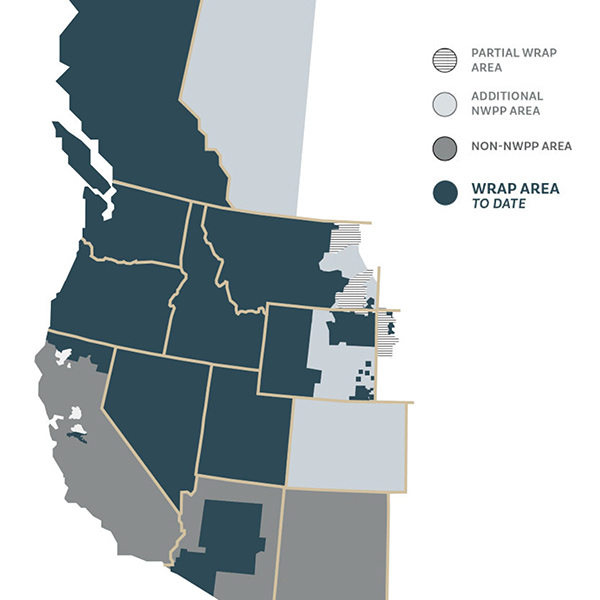
Western Power Pool named Sarah Edmonds as new CEO as it seeks to incorporate much of the Western Interconnection into its growing resource adequacy program.
© RTO Insider LLC
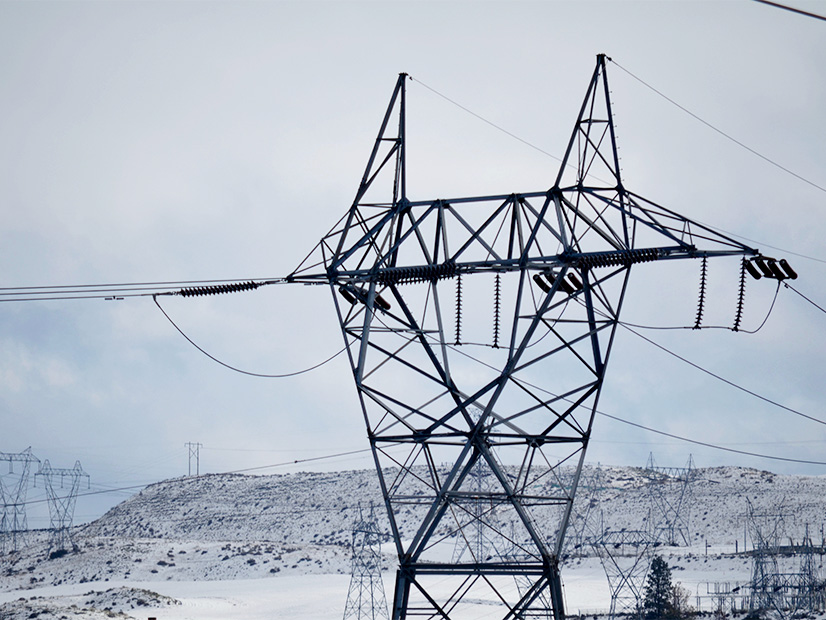
BPA is on track to enter the Western Energy Imbalance Market on May 3, despite lingering issues with software systems related to market integration.

© RTO Insider LLC
Constellation NewEnergy has agreed to pay $4.7 million in penalties for violating CAISO tariff provisions related to imports intended for resource adequacy.
U.S. Forest Service
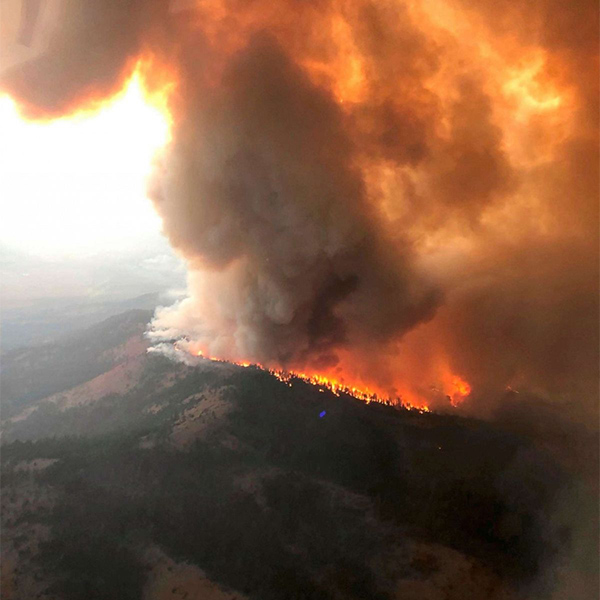
The California State Auditor criticized the oversight of investor-owned utilities' wildfire safety planning and performance by the CPUC and Energy Safety Office.
Gov. Jay Inslee via Twitter
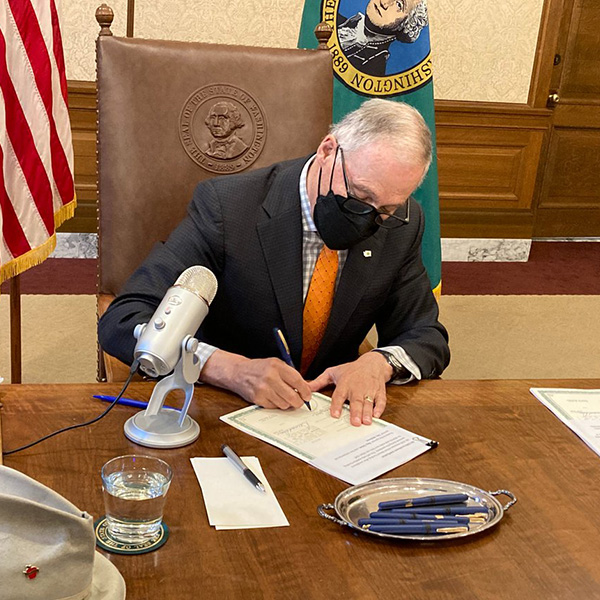
Washington Gov. Jay Inslee angered Republicans when he vetoed a section of a bill that called for study of the impact of solar and wind farms on rural areas.
CARB
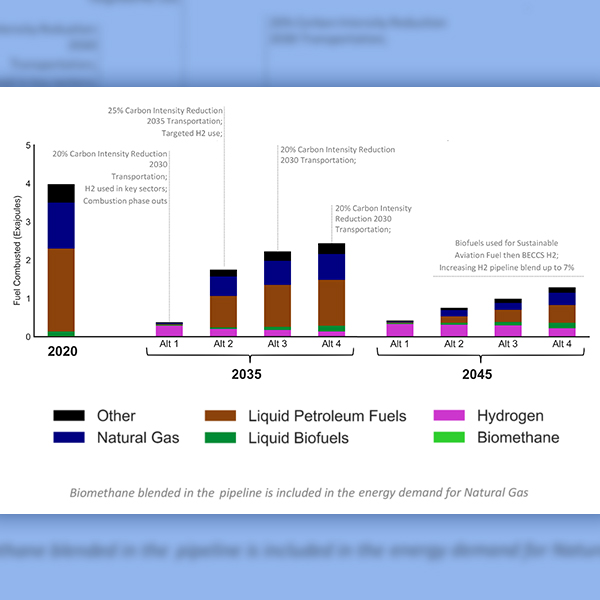
California must more than double the amount of solar capacity built each year compared to its previous maximum build rate to reach net zero by 2045, CARB said.

© RTO Insider LLC
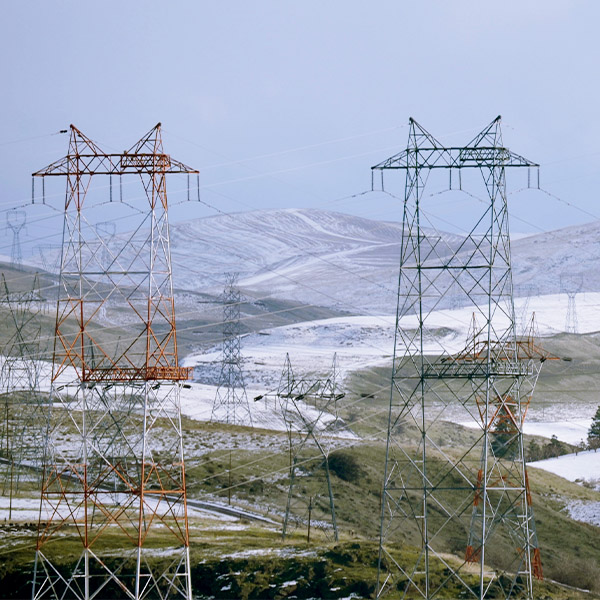
FERC officials told the ACORE Policy Forum that RTO transmission planning rules must be revised to support reliability and the flood of renewable generation.
© RTO Insider LLC
FERC approved the BPA’s proposed 2022 wholesale power and transmission rates — a formality by the commission that carries little weight under federal law.
Tri-State Generation and Transmission
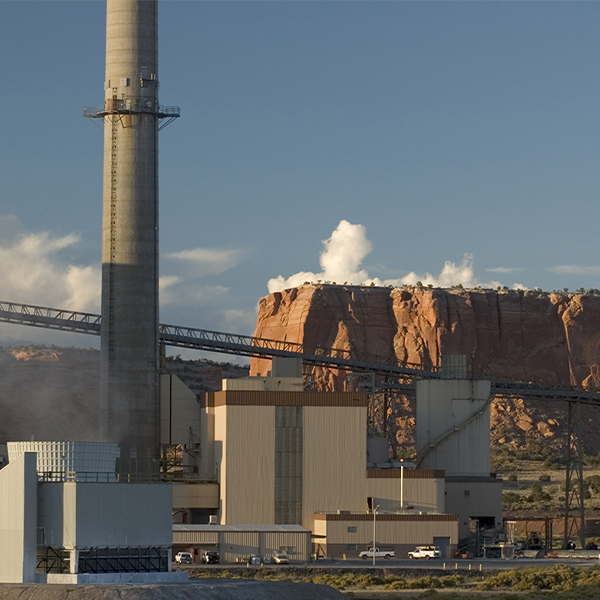
Sellers of spot electricity deliveries that exceed the Western price cap will now have more time to submit the FERC filing required to justify higher prices.
©RTO Insider LLC
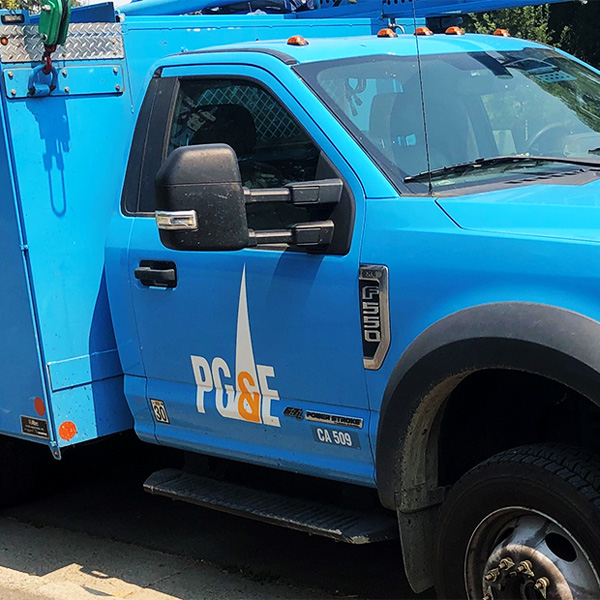
PG&E is seeking a 23% electric rate increase in 2023-26 on top of the 19% it received this year, eliciting protests from customers and ratepayer advocates.
Want more? Advanced Search