Public Policy
Environmental RegulationsReliabilityState & RegionalAlabamaAlaskaArizonaArkansasCaliforniaColoradoConnecticutDelawareDistrict of ColumbiaFloridaGeorgiaHawaiiIdahoIllinoisIndianaIowaKansasKentuckyLouisianaMaineManitobaMarylandMassachusettsMichiganMinnesotaMississippiMissouriMontanaNebraskaNevadaNew HampshireNew JerseyNew MexicoNew YorkNorth CarolinaNorth DakotaOhioOklahomaOntarioOregonPennsylvaniaRhode IslandRTO-IndianaSouth CarolinaSouth DakotaTennesseeTexasUtahVermontVirginiaWashingtonWest VirginiaWisconsinWyoming
CEC
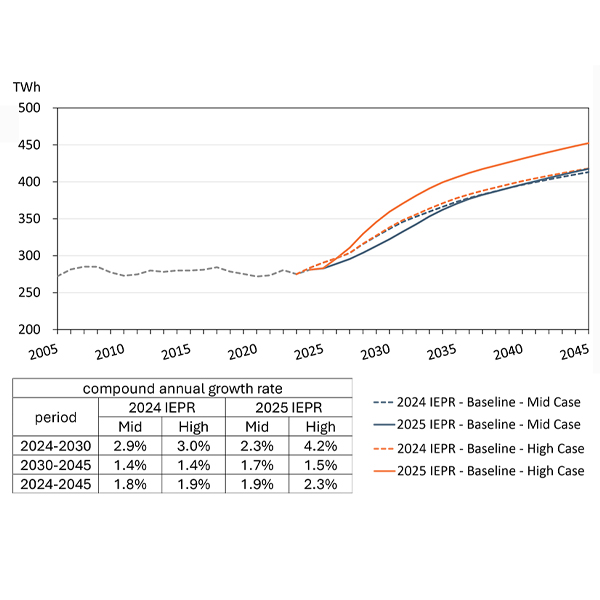
California’s electricity consumption is projected to increase dramatically over the coming decades due in large part to planned artificial intelligence data centers, although questions remain about how many of those data centers actually will be built.
The Imperial Irrigation District
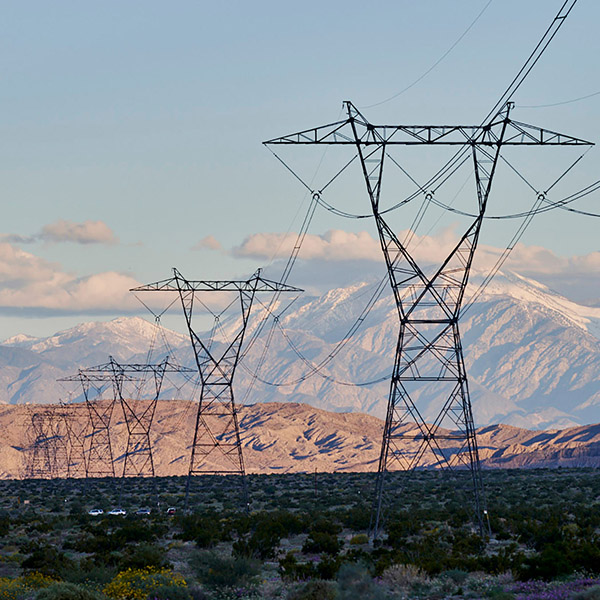
FERC defended Order 1920 against appeals in a brief filed Jan. 5, saying the transmission planning and cost allocation rule is firmly within its authority and builds on previous pathbreaking rulemakings like Orders 888 and 1000.
Bonneville Power Administration
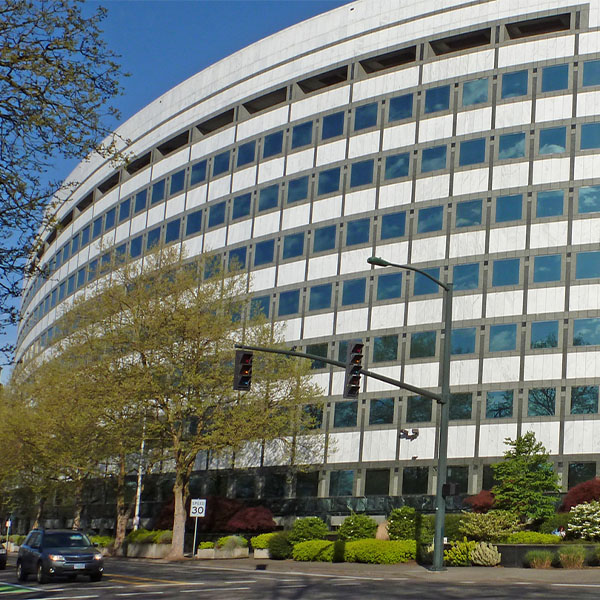
The Bonneville Power Administration has executed new long-term wholesale electric power contracts with more than 130 public utility customers under the agency’s Provider of Choice initiative, according to an announcement.
Diamond Generating LLC
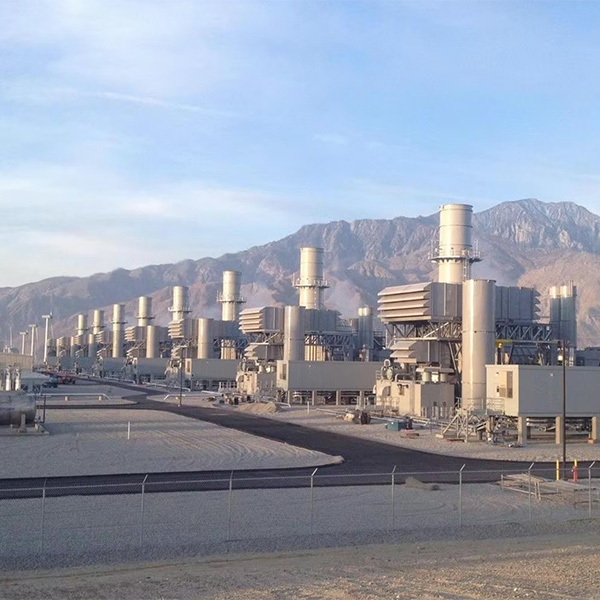
Flexibility will be a core attribute of the various scenarios and solutions being discussed to meet the snowballing estimates of U.S. electric power demand, says columnist K Kaufmann.
© RTO Insider LLC
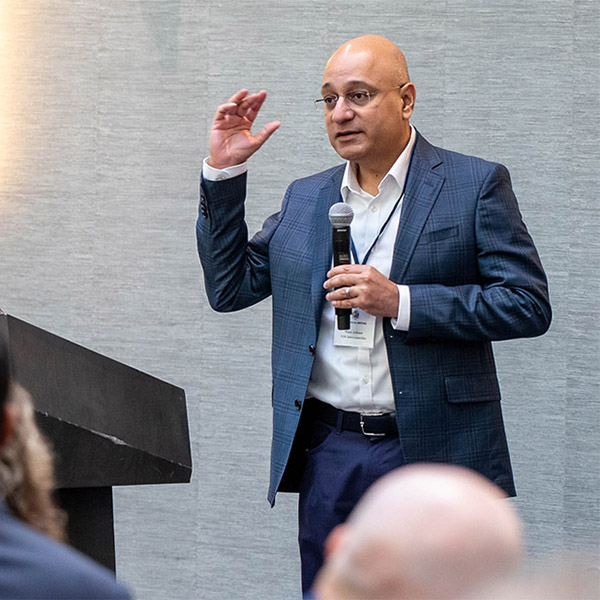
PJM enters 2026 amid several efforts to ward off a reliability gap attributed to accelerating data center load, sluggish development of new capacity and resource deactivations.
Yes Energy
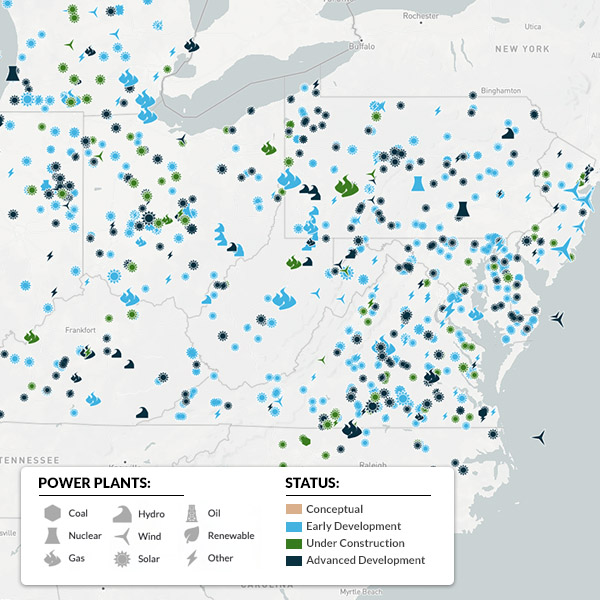
FERC and the organized power markets it oversees are facing huge challenges in trying to meet rising demand reliably and affordably.
Northwoods Resort
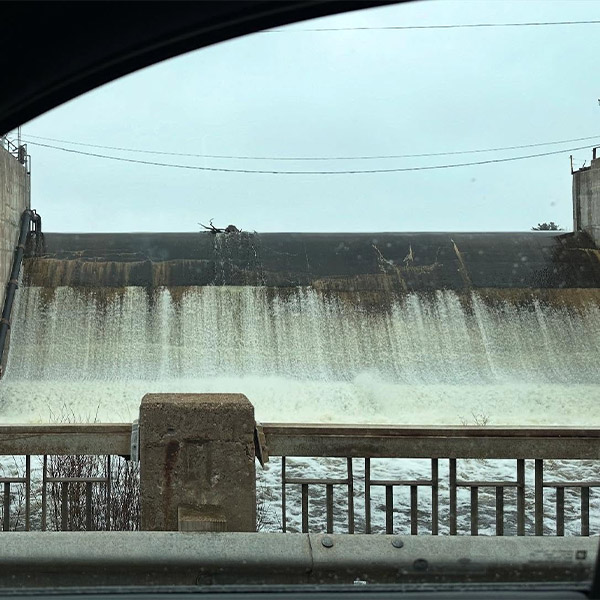
FERC revoked the operating license for a troubled dam in Michigan’s Upper Peninsula, citing a failure to address safety issues that could cost lives and the owner’s loss of land in bankruptcy proceedings.
Jimmy, CC BY-SA 2.0, via Wikimedia Commons
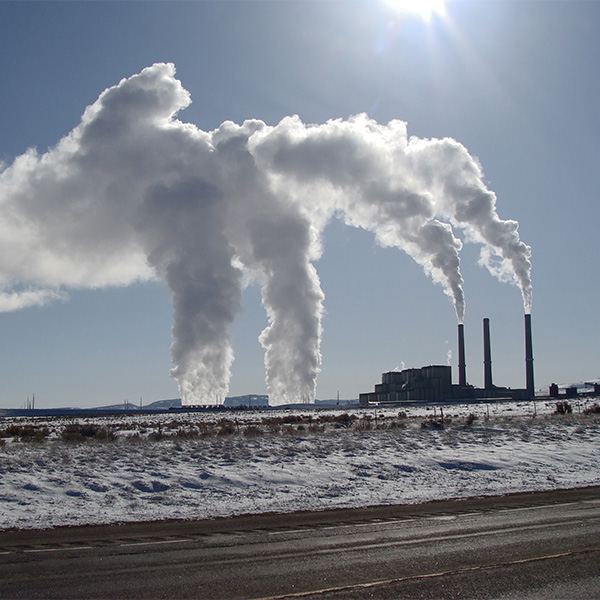
DOE has ordered a non-operational 427-MW coal-fired generator in Colorado to be repaired and remain available for 90 days.
© RTO Insider
Having finally added real-time co-optimization to the market like every other U.S. grid operator with an effort that began in 2019, ERCOT can turn its attention to other pressing issues.
© RTO Insider
Heading into 2026, New England is counting on an increasingly collaborative approach to energy policy as federal opposition to renewable energy development threatens affordability, reliability, and decarbonization objectives in the region.
Want more? Advanced Search