Public Policy
Environmental RegulationsReliabilityState & RegionalAlabamaAlaskaArizonaArkansasCaliforniaColoradoConnecticutDelawareDistrict of ColumbiaFloridaGeorgiaHawaiiIdahoIllinoisIndianaIowaKansasKentuckyLouisianaMaineManitobaMarylandMassachusettsMichiganMinnesotaMississippiMissouriMontanaNebraskaNevadaNew HampshireNew JerseyNew MexicoNew YorkNorth CarolinaNorth DakotaOhioOklahomaOntarioOregonPennsylvaniaRhode IslandRTO-IndianaSouth CarolinaSouth DakotaTennesseeTexasUtahVermontVirginiaWashingtonWest VirginiaWisconsinWyoming

© RTO Insider
PJM member states are seeking the ability to nominate two candidates to the RTO’s board as they grow increasingly vocal about their dissatisfaction with the affordability and reliability of the grid.

Colorado PUC
Members of the Colorado PUC expressed differing opinions on whether PSCo joining Markets+ would be in the public interest.

Shutterstock
In the wake of the New York Public Service Commission’s decision to cease planning its offshore wind underwater transmission network, NYISO has followed suit, tossing two years of planning studies.
Senate ENR Committee
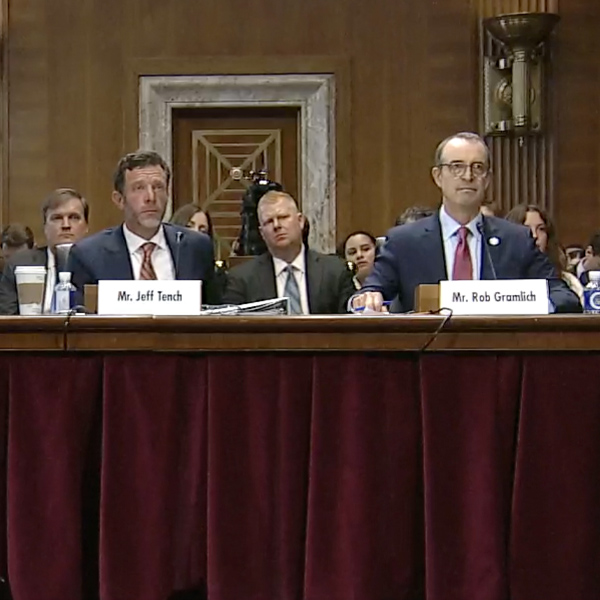
The Senate Energy and Natural Resources Committee held a hearing on the growing demand for power and how to address it.

Shutterstock
As it updates its energy to reflect new challenges to decarbonization, New York is contemplating what until recently seemed improbable: new fossil-fired generation.

Constellation Energy
FERC approved Constellation's purchase of Calpine, which will create an even bigger IPP with nearly 60 GW around the country, with the biggest share of that in PJM.

Invenergy
FERC approved a controversial MISO proposal to create a fast lane for certain reliability-related projects in the RTO’s interconnection queue — just two months after rebuffing an earlier version of the plan.
WRA
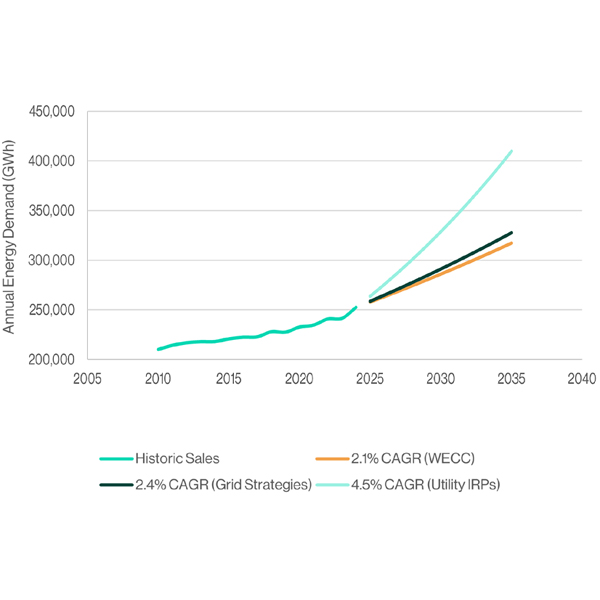
With data centers contributing to surging load growth, a new report suggests that more Western utilities should adopt clean transition tariffs or even make the tariffs mandatory for certain large customers.
The Brattle Group
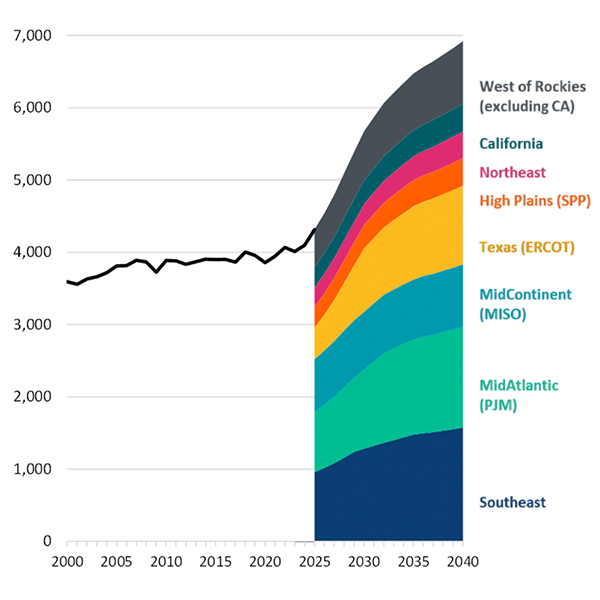
A CATF report argues that planners need to use demand-side resources, grid-enhancing technologies and other quick-to-deploy resources as part of a "least-regrets" effort to meet growing demand.

APS
Large-scale solar and wind projects are facing growing local resistance along with federal policy changes.
Want more? Advanced Search