
State & Regional
AlabamaAlaskaArizonaArkansasCaliforniaColoradoConnecticutDelawareDistrict of ColumbiaFloridaGeorgiaHawaiiIdahoIllinoisIndianaIowaKansasKentuckyLouisianaMaineManitobaMarylandMassachusettsMichiganMinnesotaMississippiMissouriMontanaNebraskaNevadaNew HampshireNew JerseyNew MexicoNew YorkNorth CarolinaNorth DakotaOhioOklahomaOntarioOregonPennsylvaniaRhode IslandRTO-IndianaSouth CarolinaSouth DakotaTennesseeTexasUtahVermontVirginiaWashingtonWest VirginiaWisconsinWyoming

Kenworth
Ten hydrogen fuel cell semi-trucks are beginning a yearlong test of their effectiveness at the Port of Los Angeles.

ChargePoint
A special legislative session later this year offers an opportunity for the Rhode Island House to pass a TCI-enabling bill backed by the Senate in June.
NREL
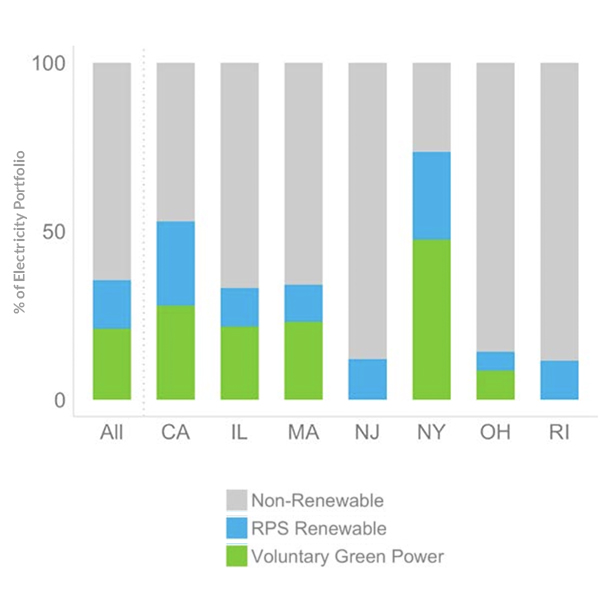
Investor-owned utilities and energy service companies in New York made recommendations on community choice aggregation rules.

CTR
General Motors will invest millions of dollars in Controlled Thermal Resources’ lithium production project at the Salton Sea in Southern California.

Shutterstock
New Jersey outlined new rules to encourage drivers to buy lower-priced EVs, with a maximum incentive available only for vehicles priced $45,000 and below.

Earthjustice
Hawaii's PUC OK'd HECO's plan to create an emergency demand response program to help cover the expected energy shortfall caused by the shutdown of Oahu's AES plant.
Texas Admin Monitor
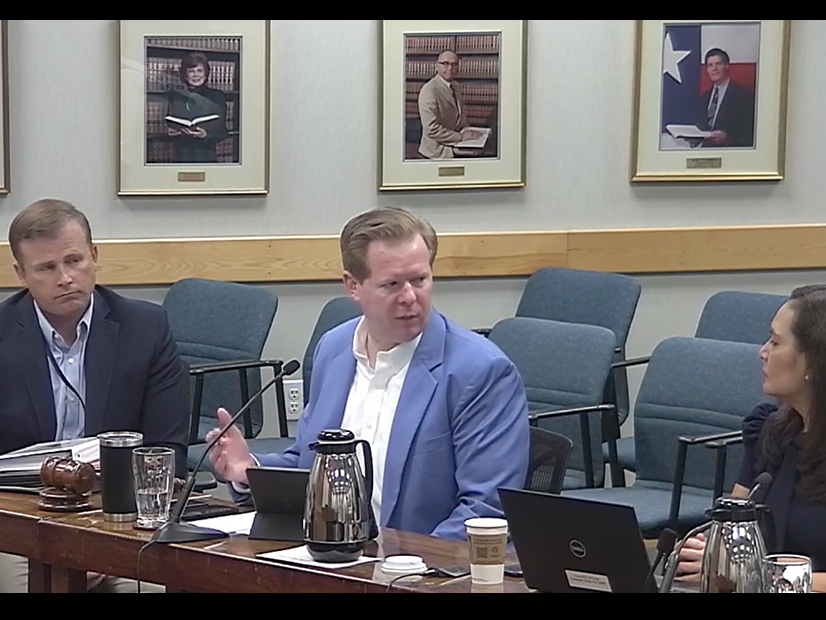
The Texas Public Utility Commission’s rookie electric utility regulators last week stood in front of the proverbial fire hose, wielded by ERCOT staff, market participants and the grid’s Independent Market Monitor, as they try to get a grip on how best to respond to February’s disastrous winter storm. In what the PUC billed as the …
Continue reading "PUC Debates Answers to ERCOT’s Reliability Issues"
The Power of Minnesota
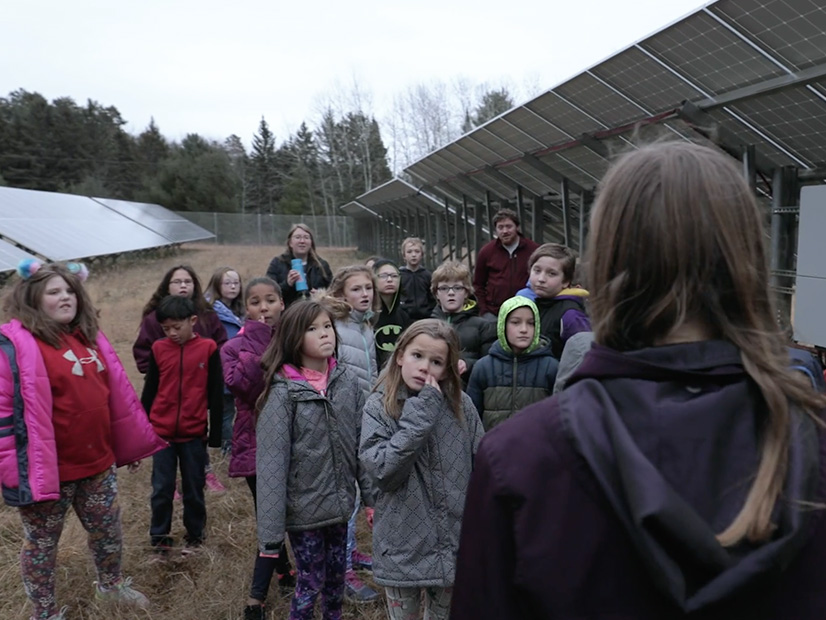
Minnesota lawmakers agreed to spend $24 million to fund solar arrays at schools, a bid to reduce energy costs and provide STEM learning opportunities.

CARB
California's efforts to boost the role that natural and working lands play in the state’s climate strategy are gaining momentum as officials draft strategic plans.

© RTO Insider LLC
For the first time in more than a year, regulators from PJM and NYISO joined in person for the MACRUC annual Education Conference.
Want more? Advanced Search
