Resources
Demand ResponseDistributed Energy Resources (DER)Energy EfficiencyEnergy StorageBattery Electric StorageOther Electric StorageGenerationCoalGeothermalHydrogenHydropowerNatural GasNuclear PowerOffshore WindOnshore WindOperating ReservesRooftop/distributed SolarUtility-scale SolarResource Adequacy
CalCAA
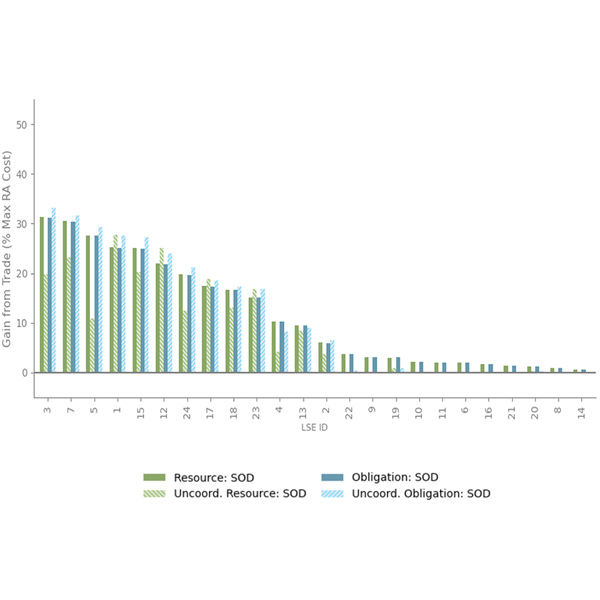
The cost of electricity in California could be reduced if energy providers were allowed to trade power by the hour, a new study by the California Community Choice Association says.

© RTO Insider
FERC has accepted a compliance filing by ISO-NE and the New England transmission owners eliminating interconnection customers’ responsibility to pay for operations and maintenance costs on interconnection network upgrades.
Dominion Energy
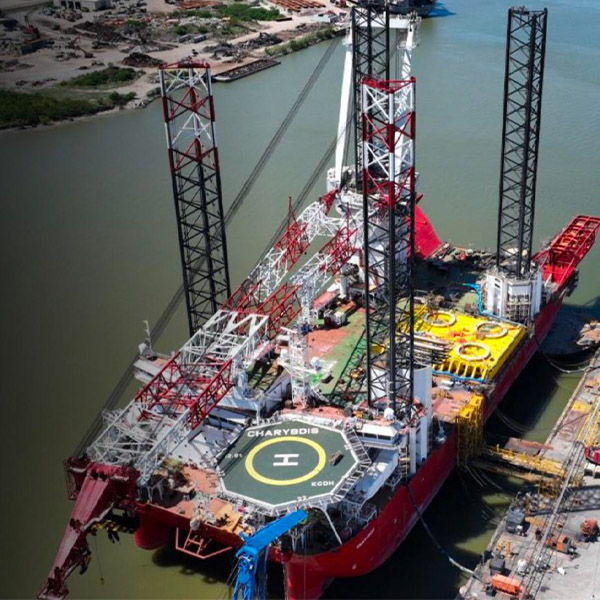
Dominion Energy reported that Coastal Virginia Offshore Wind has already seen slight cost impacts from President Trump's tariffs, which could grow as the project is still on track for completion in 2026.
Talen Energy
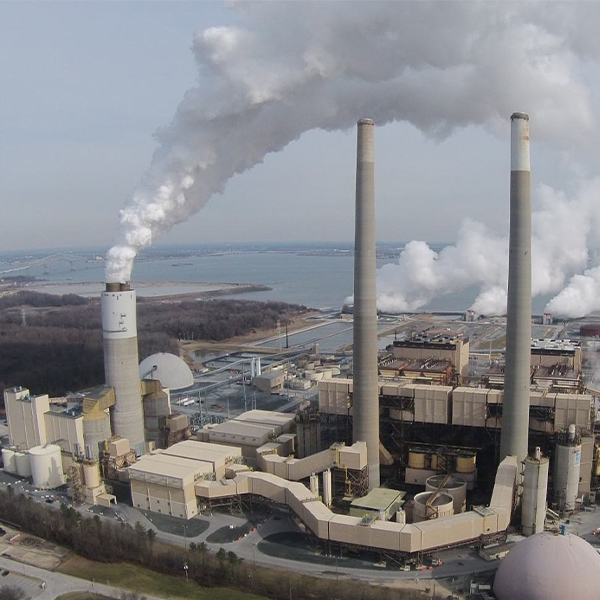
FERC approved settlements on reliability must run deals that will keep the Brandon Shores Generating Station and the H.A. Wagner Generating Station in Maryland running until May 31, 2029.
Duke Energy
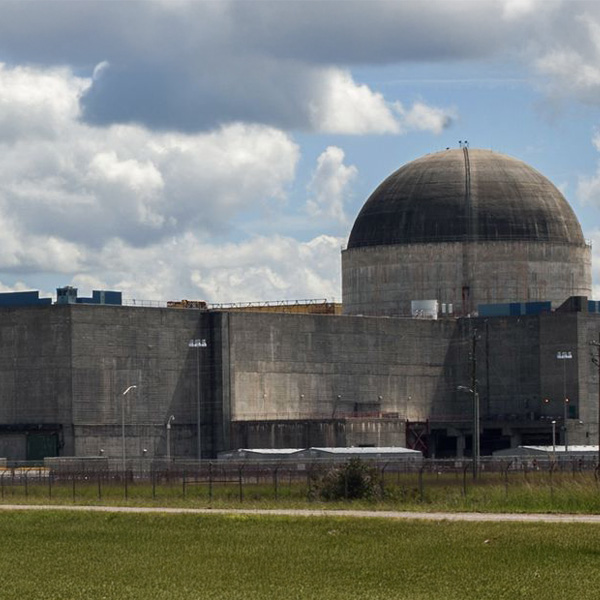
Duke Energy is considering nuclear for its long-term plans, but it may take decades before the resource is being installed at scales similar to gas plants, solar or wind today.
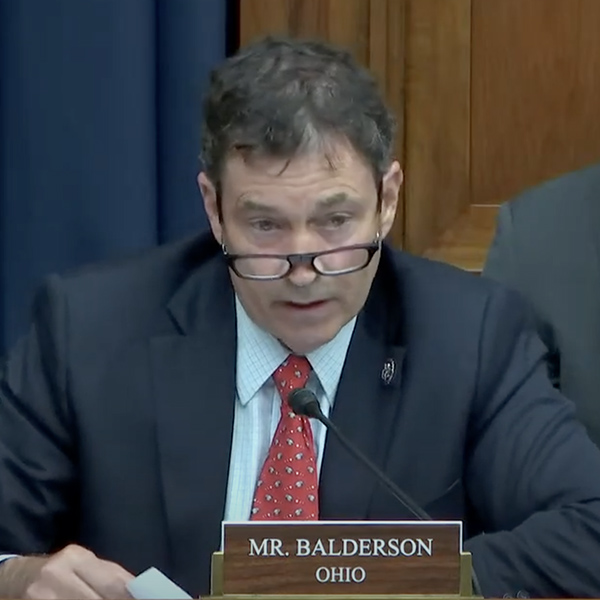
House Energy and Commerce Committee
A bill that would allow dispatchable energy projects to jump ahead in the interconnection queue under certain circumstances sparked debate during a House Energy and Commerce Subcommittee.
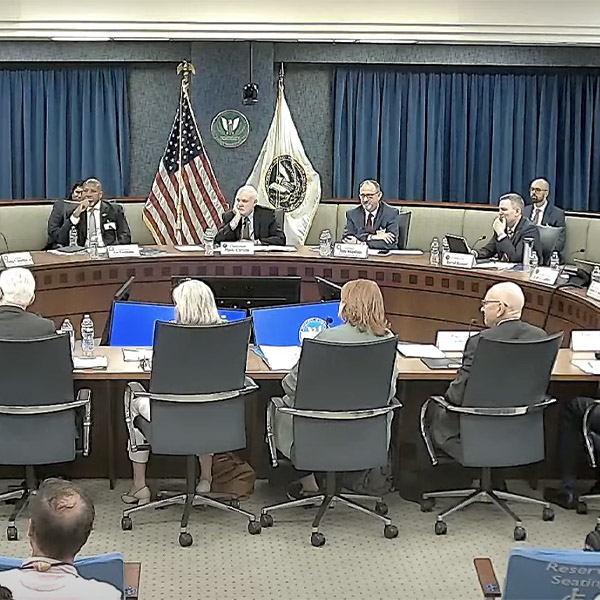
FERC
FERC and state regulators heard from experts on the state of gas-electric coordination, which continues to be an issue as the two industries systems are increasingly interdependent.
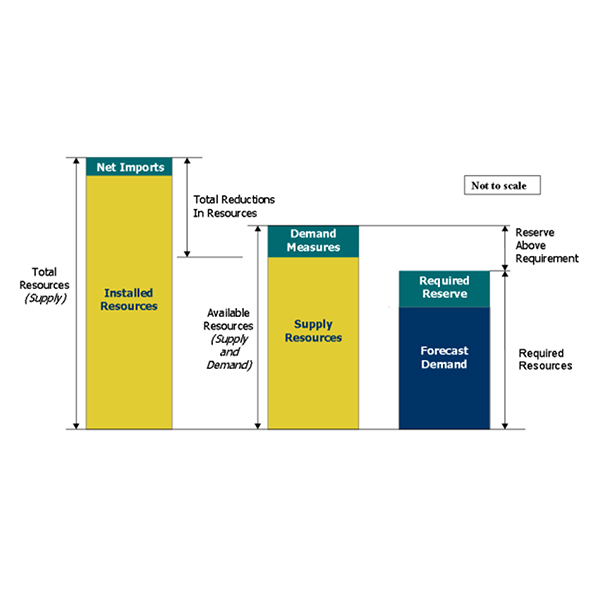
IESO
IESO is changing how it projects renewable generation output and its accounting for imports and planned loads in the forecasts it uses to manage generator and transmission outages.
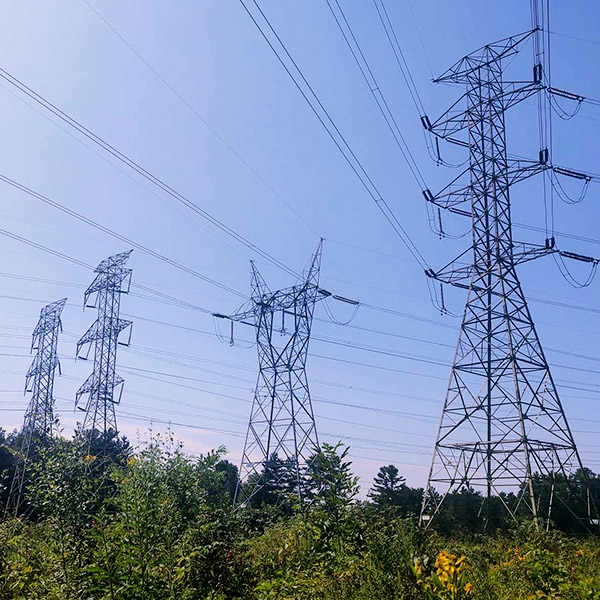
© RTO Insider
Annual energy demand in the Pacific Northwest could reach between 31,000 and 44,000 MW by 2046, according to the NWPCC's initial 20-year forecast.

Shutterstock
The National Rural Electric Cooperative Association has flown 2,000 member representatives into D.C. to lobby congressional leaders on key priorities for the nation’s co-ops, which this year include passage of permitting legislation and meeting rising demand.
Want more? Advanced Search