NetZero Insider
Agriculture & Land UseBuilding DecarbonizationCookingEnergy EfficiencySpace HeatingWater HeatingCommentary & Special ReportsConference coverageCompany NewsEquity & EconomicsEmployment & Economic ImpactEnvironmental & Social JusticeFederal PolicyCongressDepartment of EnergyLoan Programs Office (LPO)Department of TransportationEnvironmental Protection AgencyFederal Energy Regulatory CommissionGeneral Services Administration (GSA)Interior DepartmentBureau of Land ManagementBureau of Ocean Energy ManagementNuclear Regulatory CommissionTreasury DepartmentWhite HouseGeneration & FuelsBioenergyFossil FuelsCoalNatural GasGeothermalHydrogenNuclearSMRRenewable PowerCommunity solarHydropowerOffshore Wind PowerOnshore Wind PowerSolar PowerRooftop solarUtility scale solarImpact & AdaptationIndustrial DecarbonizationState and Local PolicyAlabamaArizonaCaliforniaCA LegislationCalifornia Air Resources Board (CARB)California Energy Commission (CEC)California Public Utilities Commission (CPUC)ColoradoConnecticutDelawareDistrict of ColumbiaFloridaGeorgiaHawaiiIdahoIllinoisIndianaKentuckyLouisianaMaineMarylandMassachusettsMichiganMinnesotaMississippiMissouriMontanaNevadaNew HampshireNew JerseyNew MexicoNew YorkNYSERDAPublic Service CommissionNorth CarolinaNorth DakotaOhioOntarioOregonPennsylvaniaRhode IslandSouth CarolinaTennesseeTexasUtahVermontVirginiaWashingtonWest VirginiaWisconsinWyomingTechnologyCarbon CaptureTransmission & DistributionEnergy StorageMicrogridsTransportation DecarbonizationAirplane DecarbonizationEV chargersHeavy-duty vehiclesBattery Electric Buses (BEB)Fuel Cell Electric Buses (FCEB)Light-duty vehiclesBattery Electric VehiclesFuel Cell VehiclesPlug-in hybrid electric vehiclesShip electrificationClean Ports

Shutterstock
The California Public Utilities Commission rejected a project proposed by Pacific Gas and Electric to convert wood biomass to natural gas.
Standard Solar
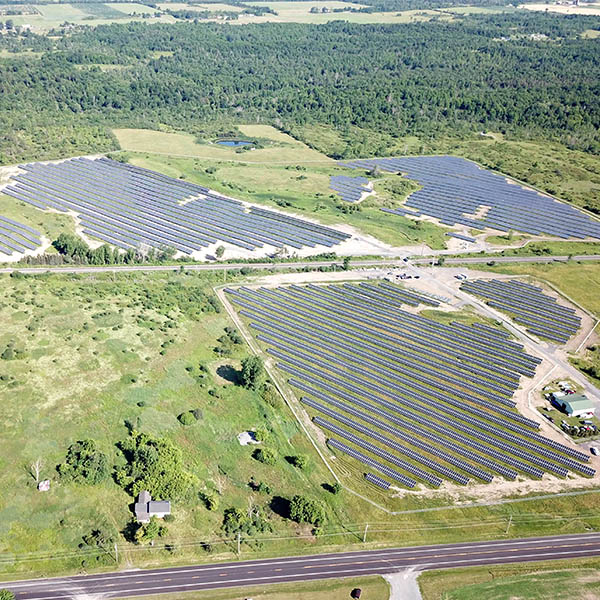
New York is tweaking its approach to clean energy development as it works to get its lagging decarbonization efforts back on track.

© RTO Insider
The annual New York energy storage conference and expo came with excellent timing this year, as progress at the state level was matched by looming obstacles at the federal level.
Shutterstock
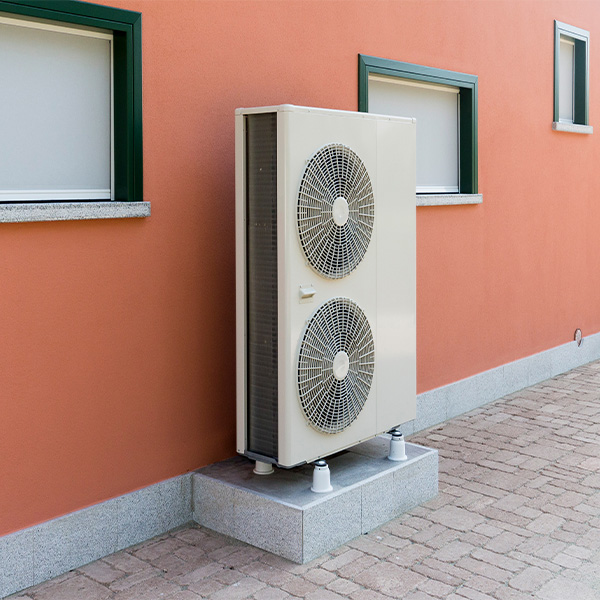
California’s goal of deploying 6 million heat pumps in buildings by 2030 is being tackled from multiple angles, and the different strategies were the subject of a panel discussion during a recent conference.
ISO-NE
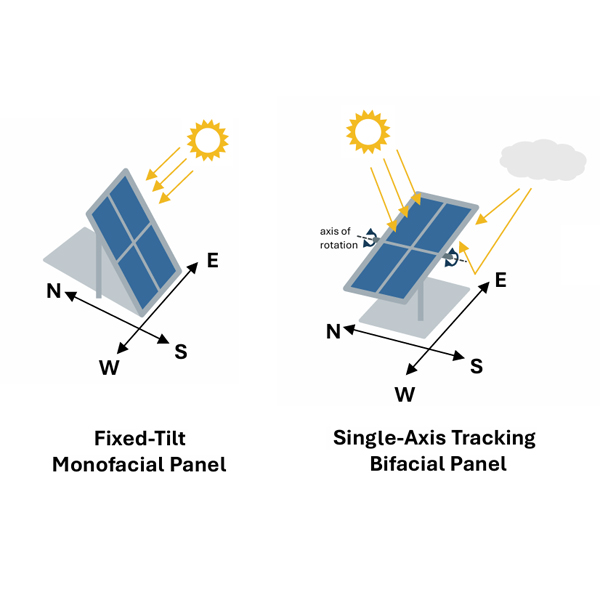
New research by ISO-NE indicates bifacial solar panels with tracking capabilities could reduce the cost of decarbonizing New England’s generation mix by about $3.7 billion.
Shutterstock
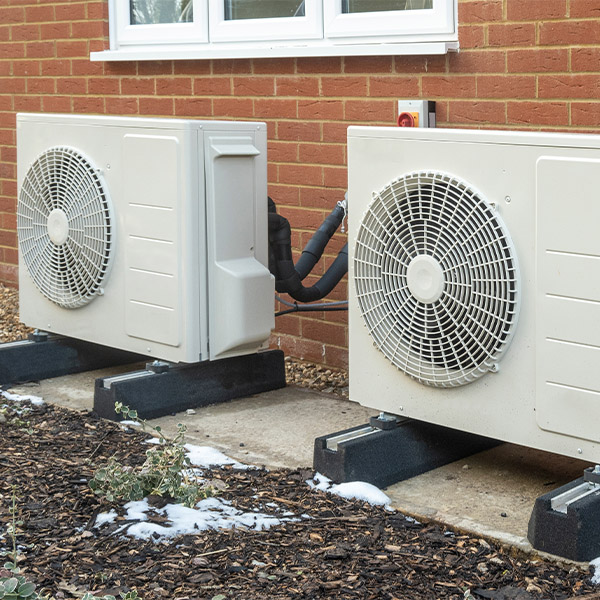
Time-of-use electricity rates could save Massachusetts ratepayers with electrified heating hundreds of dollars each year per household, according to a report.
House Ways and Means Committee
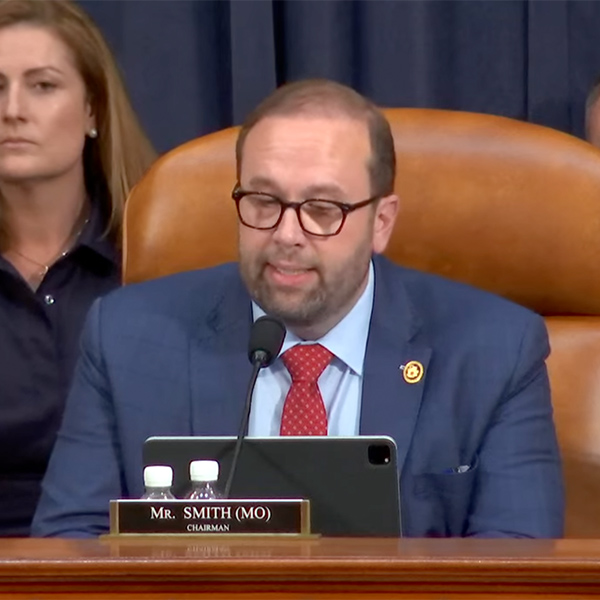
Efforts by U.S. House committees to mark up the “One, Big Beautiful Bill” that includes most of President Donald Trump’s legislative goals could so complicate energy tax credit provisions as to make those instruments difficult to use at all.
OPG
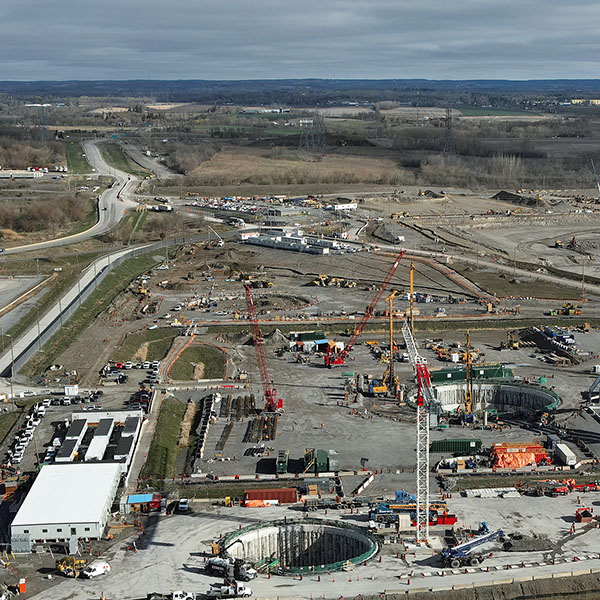
Site preparation is underway in southern Ontario for what is expected to be the first small modular reactor to come online in North America, a 300-MW unit projected to cost $7.7 billion CAD.
Peretz Partensky, CC BY 2.0, via Wikimedia Commons
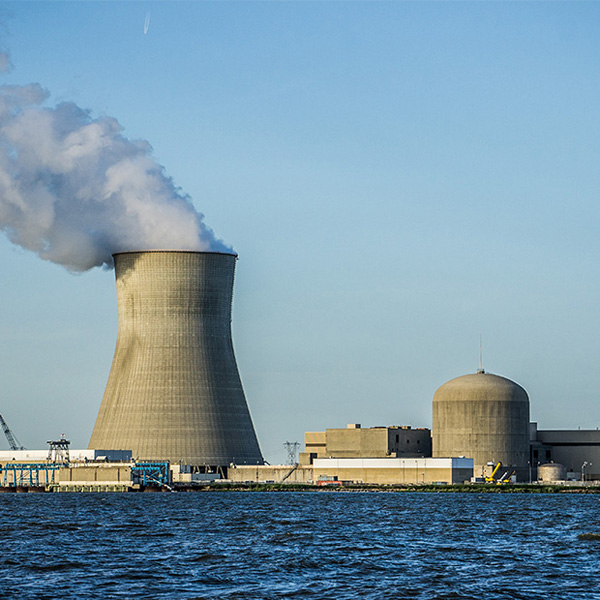
Facing a projected energy shortfall, New Jersey is evaluating whether it is feasible to build an additional nuclear generation plant to add to the three that provide about 40% of the state's electricity.
National Grid
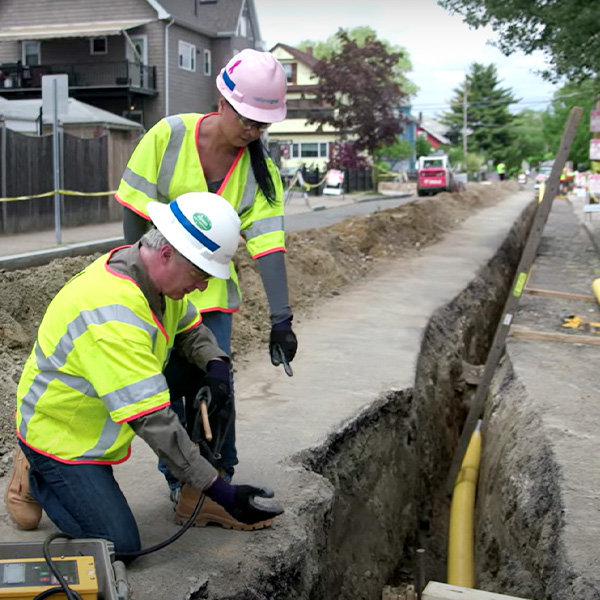
The Massachusetts Department of Public Utilities has ordered major changes to the state’s program for addressing pipe leaks, aiming to better align the program with its long-term decarbonization strategy.
Want more? Advanced Search