
CAISO/WEIM
CAISO Board of GovernorsCalifornia Agencies & LegislatureCalifornia Air Resources Board (CARB)California Energy Commission (CEC)California LegislatureCalifornia Public Utilities Commission (CPUC)EDAMOther CAISO CommitteesWestern Energy Imbalance Market (WEIM)WEIM Governing Body
The California Independent System Operator serves about 80% of California's electricity demand, including the service areas of the state's three investor-owned utilities. It also operates the Western Energy Imbalance Market, an interstate real-time market covering territory that accounts for 80% of the load in the Western Interconnection.

© RTO Insider LLC
A new Western Resource Adequacy Program task force has been charged with revising the WRAP tariff to clarify that participants can rely on a specific category of CAISO transmission service to count remote resources toward their “forward showing” requirements.
CAISO DMM
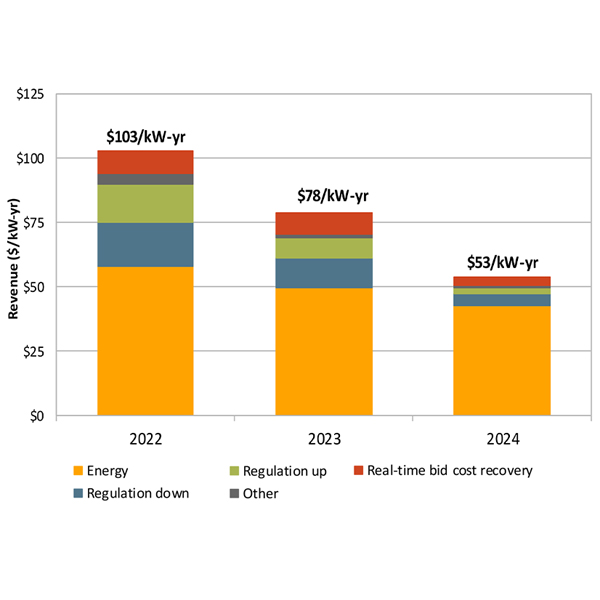
California’s fastest-growing energy resource — battery storage — is earning less net revenue each year, while capacity is forecast to continue to boom.
© RTO Insider
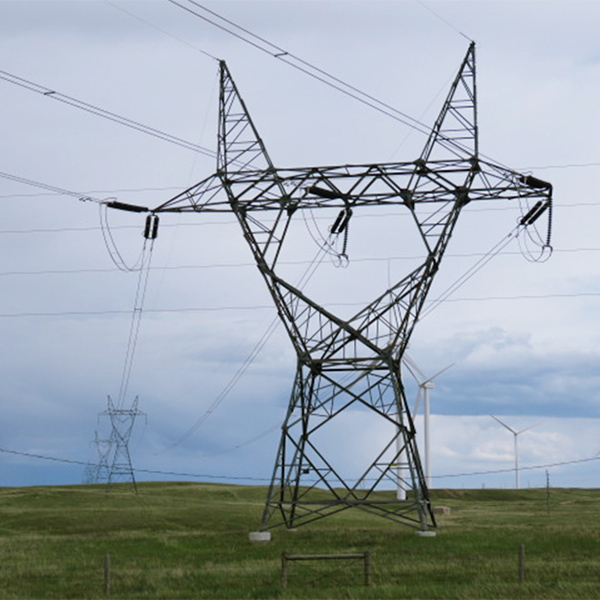
A new task force will examine how the WPP’s WRAP can continue to operate efficiently under the new multimarket environment emerging in the West.
Shutterstock
FERC is moving to rescind the West-wide wholesale electricity price cap mechanism it instituted in 2002 in response to widespread price manipulation during the Western energy crisis of 2000/01.
Andre m, CC BY-SA 3.0, via Wikimedia Commons
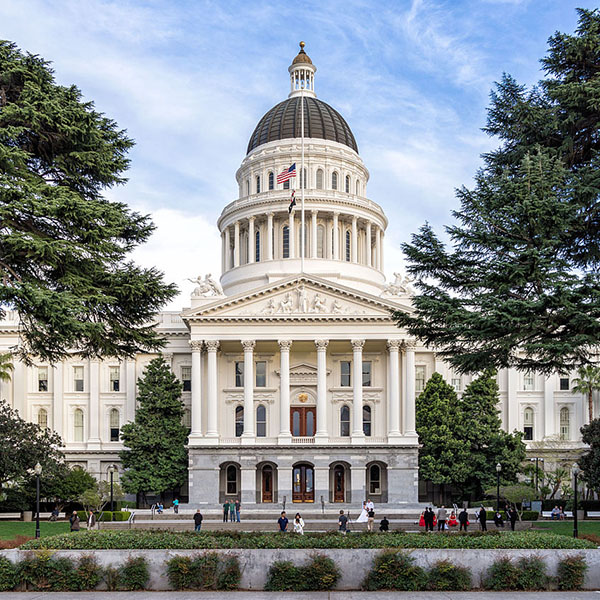
The author behind the bill that would allow CAISO to relinquish market governance to an independent RO has delayed a hearing after several organizations withdrew support for the proposed legislation.
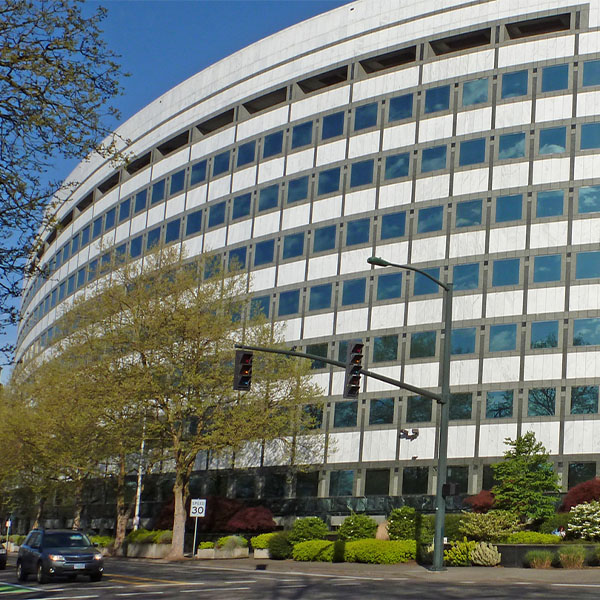
Bonneville Power Administration
BPA said it is revising future power rates by removing millions of dollars of costs associated with a Biden administration agreement with Northwest tribes aimed at restoring salmon habitat and potentially breaching dams on the Snake River.
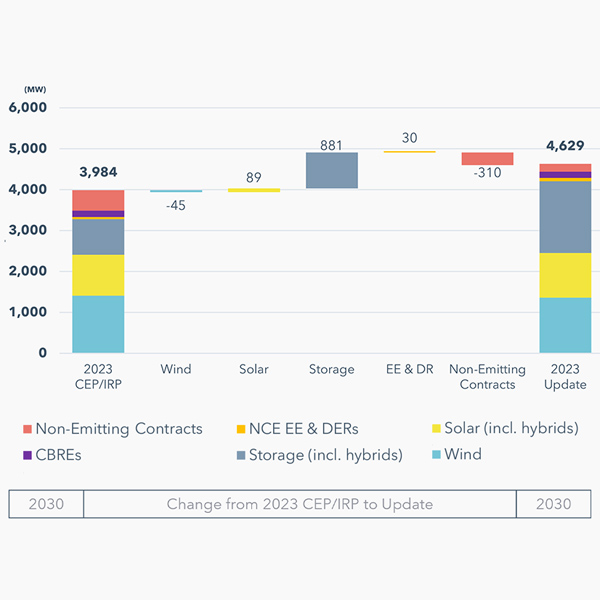
PGE
Portland General Electric’s need for new resources by 2030 has grown by 16%, largely because of a decreased capacity contribution from batteries, particularly in winter.
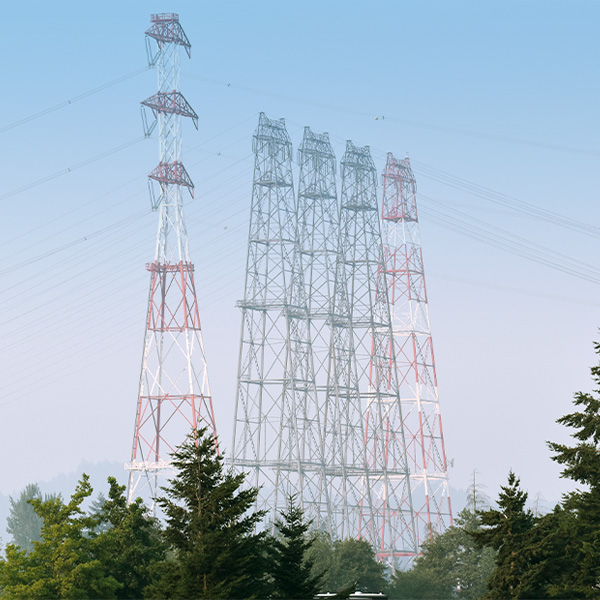
© RTO Insider LLC
The Bonneville Power Administration unveiled its proposals for overhauling its transmission planning, with help from the industry.
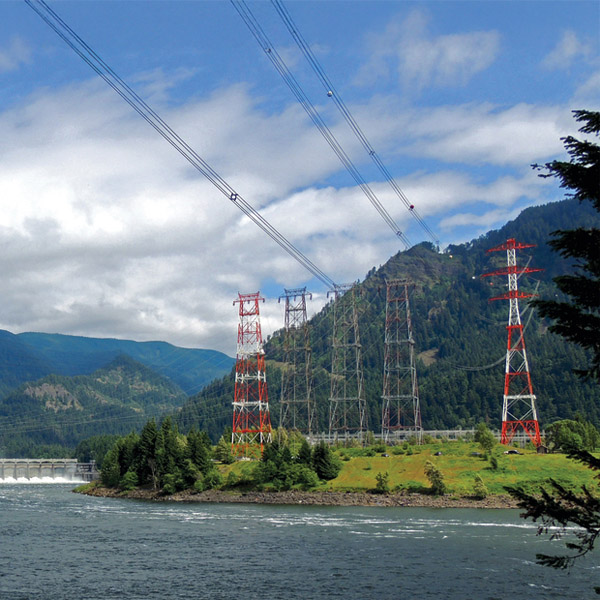
The Bonneville Power Administration
A group of environmental organizations sued the Bonneville Power Administration in the 9th Circuit Court of Appeals over the agency’s decision to join SPP’s Markets+ instead of CAISO’s Extended Day-Ahead Market.
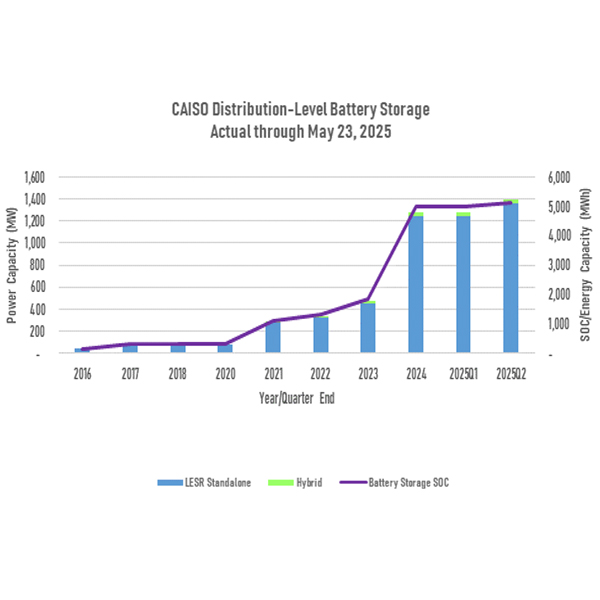
CAISO
CAISO is working on an initiative to improve the visibility of distributed battery storage resources on the grid, especially for when they are needed for resource adequacy.
Want more? Advanced Search
