
RTO Insider
AESOCAISO/WEIMCAISO Board of GovernorsCalifornia Agencies & LegislatureCalifornia Air Resources Board (CARB)California Energy Commission (CEC)California LegislatureCalifornia Public Utilities Commission (CPUC)EDAMOther CAISO CommitteesWestern Energy Imbalance Market (WEIM)WEIM Governing BodyCompany NewsERCOTERCOT Board of DirectorsERCOT Other CommitteesERCOT Technical Advisory Committee (TAC)Public Utility Commission of Texas (PUCT)FERC & FederalIESOIESO Strategic Advisory CommitteeIESO Technical PanelISO-NEISO-NE Consumer Liaison GroupISO-NE Planning Advisory CommitteeNEPOOL Markets CommitteeNEPOOL Participants CommitteeNEPOOL Reliability CommitteeNEPOOL Transmission CommitteeMarketsAncillary ServicesCapacity MarketEnergy MarketReservesVirtual TransactionsMISOMISO Advisory Committee (AC)MISO Board of DirectorsMISO Market Subcommittee (MSC)MISO Planning Advisory Committee (PAC)MISO Regulatory Organizations & CommitteesOrganization of MISO States (OMS)MISO Reliability Subcommittee (RSC)MISO Resource Adequacy Subcommittee (RASC)NYISONY PSCNYISO Business Issues CommitteeNYISO Management CommitteeNYISO Operating CommitteeOther NYISO CommitteesPJMPJM Board of ManagersPJM Market Implementation Committee (MIC)PJM Markets and Reliability Committee (MRC)PJM Members Committee (MC)PJM Operating Committee (OC)PJM Other Committees & TaskforcesPJM Planning Committee (PC)PJM Transmission Expansion Advisory Committee (TEAC)Public PolicyEnvironmental RegulationsReliabilityState & RegionalAlabamaAlaskaArizonaArkansasCaliforniaColoradoConnecticutDelawareDistrict of ColumbiaFloridaGeorgiaHawaiiIdahoIllinoisIndianaIowaKansasKentuckyLouisianaMaineManitobaMarylandMassachusettsMichiganMinnesotaMississippiMissouriMontanaNebraskaNevadaNew HampshireNew JerseyNew MexicoNew YorkNorth CarolinaNorth DakotaOhioOklahomaOntarioOregonPennsylvaniaRhode IslandRTO-IndianaSouth CarolinaSouth DakotaTennesseeTexasUtahVermontVirginiaWashingtonWest VirginiaWisconsinWyomingResourcesDemand ResponseDistributed Energy Resources (DER)Energy EfficiencyEnergy StorageBattery Electric StorageOther Electric StorageGenerationCoalGeothermalHydrogenHydropowerNatural GasNuclear PowerOffshore WindOnshore WindOperating ReservesRooftop/distributed SolarUtility-scale SolarResource AdequacySpecial Reports & CommentaryCommentaryConference CoverageOther CoverageSpecial ReportsSPPMarkets+Other SPP CommitteesSPP Board of Directors & Members CommitteeSPP Markets and Operations Policy CommitteeSPP Regional State CommitteeSPP Seams Advisory GroupSPP Strategic Planning CommitteeWestern Energy Imbalance Service (WEIS)SPP/WEISTransmissionFinancial Transmission Rights (FTR)Transmission OperationsTransmission PlanningTransmission Rates
Shutterstock
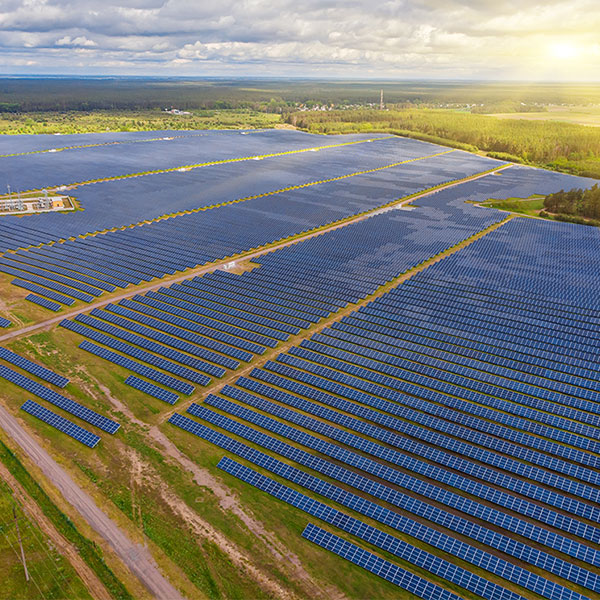
FERC approved a follow-up filing for ISO-NE’s compliance with Orders 2023 and 2023-A, authorizing variations from the final rule related to interconnection point modifications, cost allocation, and commercial readiness deposits.
U.S. Army Corps of Engineers
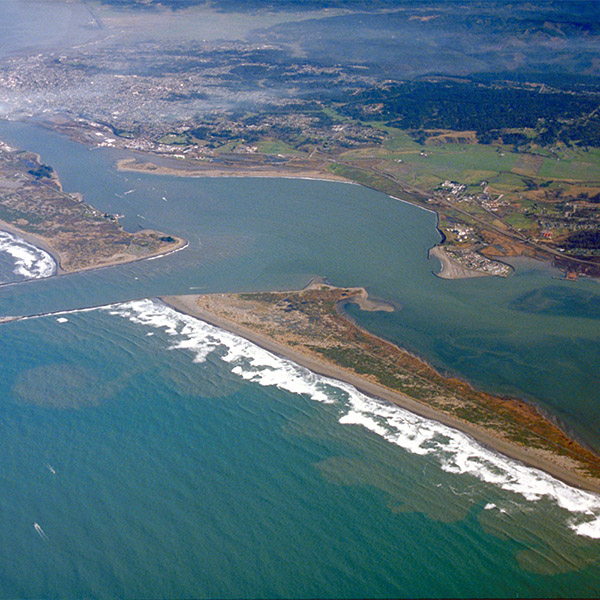
The U.S. Department of Transportation has terminated $679 million in funding commitments for a dozen port and shoreline infrastructure projects planned to serve the offshore wind sector.
PacifiCorp
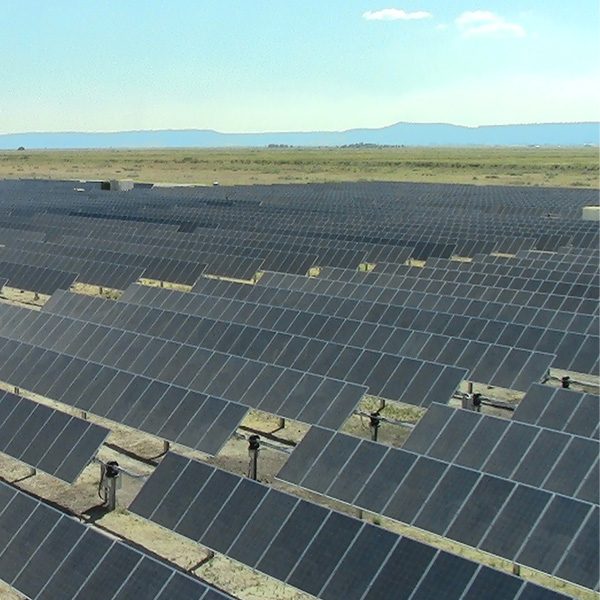
Oregon regulators have approved PacifiCorp's request for proposals for renewable resources, saying the utility must accept bids for resources with conditional firm transmission.

Shutterstock
After months of negotiations, the author of the California legislation needed to transform CAISO’s market into an independent regional energy market for the West is confident the state legislature will have a bill to vote on before the session wraps up
NextEra Energy
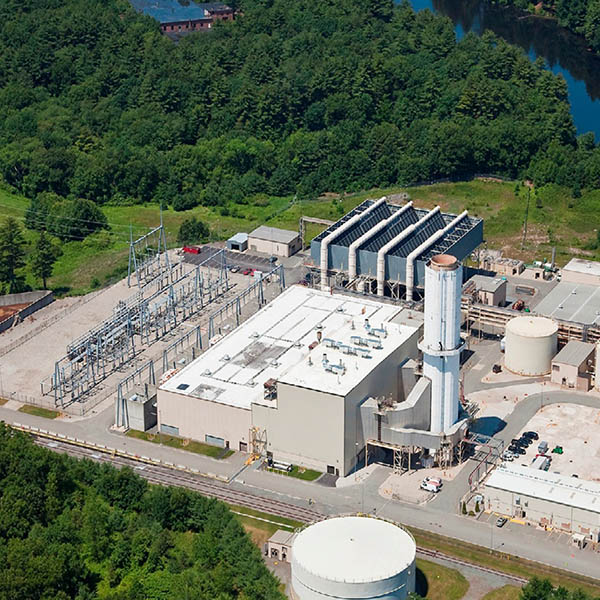
ISO-NE said it is open to capping the balancing ratio used to calculate Pay-for-Performance payments to prevent capacity resources from being required to provide more power than their capacity supply obligations.
Lawrence Berkley National Lab
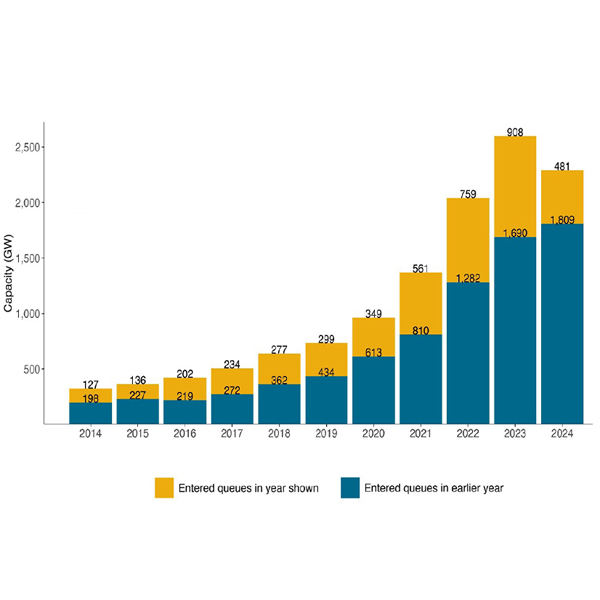
Two new data sets show the industry has started to cut back on record high interconnection queue levels from last year as reforms have started to take hold.
PG&E
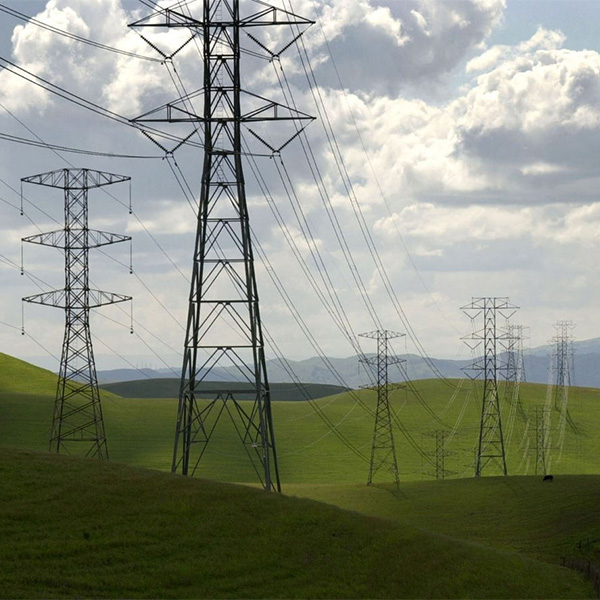
The California Public Utilities Commission is looking for ways to improve a utility-oriented climate adaptation program designed to help protect the most vulnerable people and lands in the Golden State.
MISO
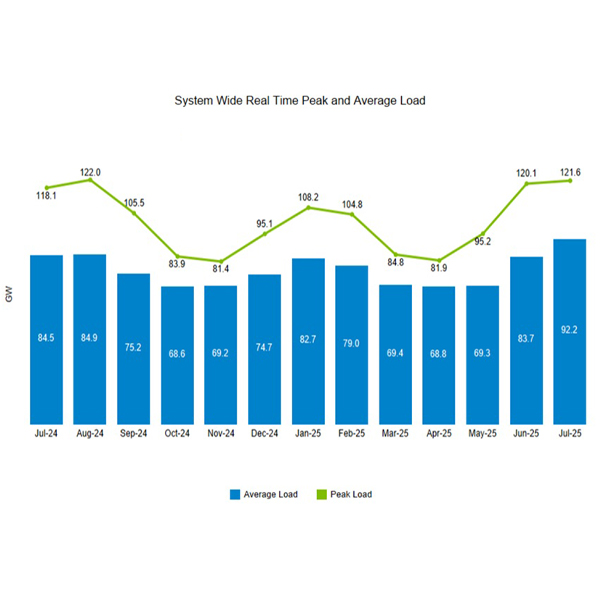
MISO is poised to close the door on summer with an almost 122-GW peak while issuing several capacity advisories for MISO South.
Constellation
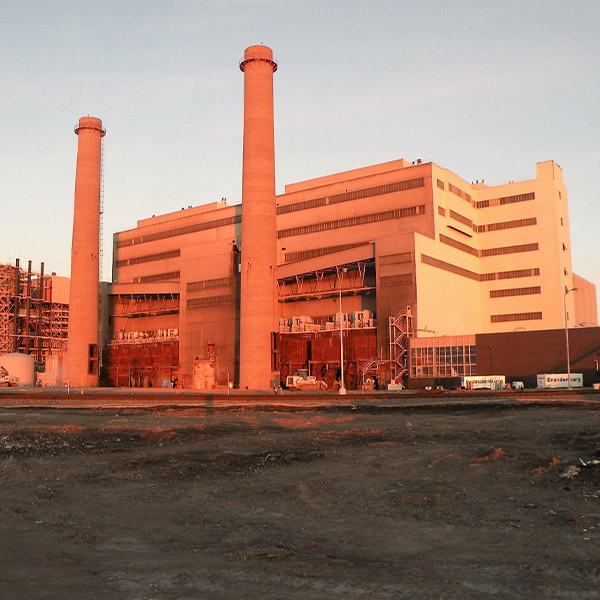
DOE Secretary Chris Wright announced Units 3 and 4 of the Eddystone Generating Station in Pennsylvania must remain operational under an emergency order to "secure grid reliability" in the mid-Atlantic.
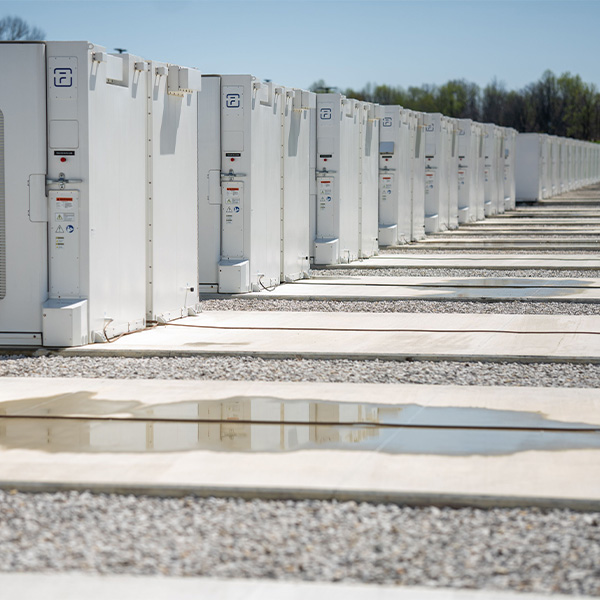
Fluence
Investment bank Jefferies’ latest analysis finds the levelized cost of paired solar-plus-battery storage is cheaper than that of gas, saying slow turbine deliveries and inflationary equipment pricing makes the renewable alternative an “attractive” opportunity as data centers drive demand.
Want more? Advanced Search
