
RTO Insider
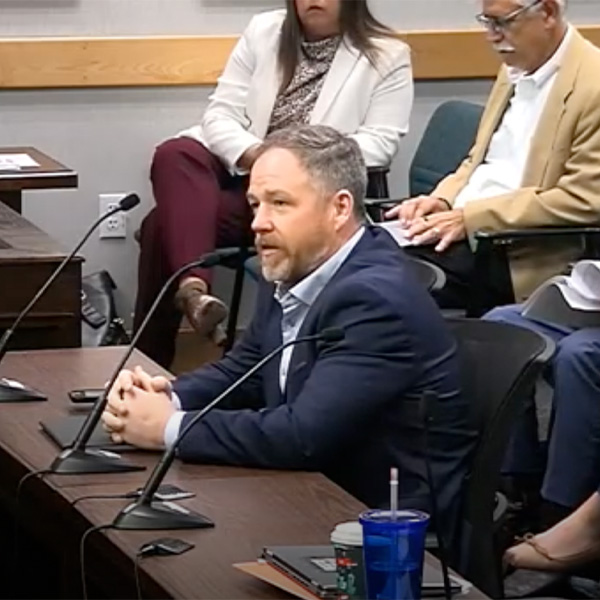
FERC’s resource adequacy technical conference zoomed out on the second day, June 5, with several panels examining ISO-NE, MISO and NYISO.
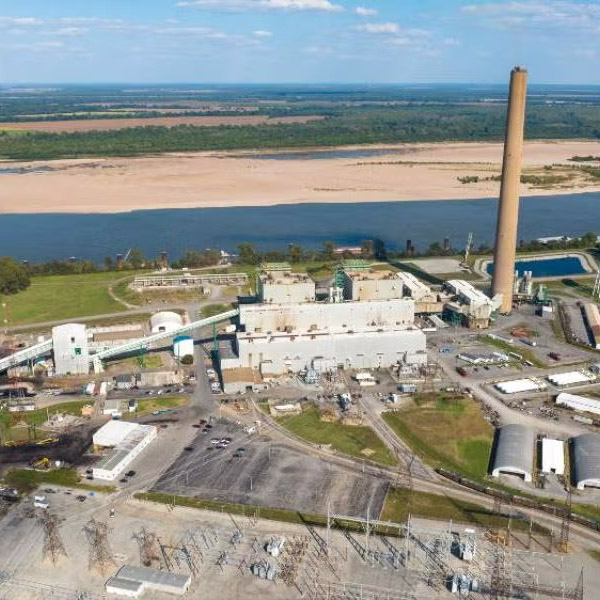
MISO has drafted a joint transmission planning agreement with neighbor Associated Electric Cooperative Inc. that is premised on how they currently coordinate.
ERCOT has told Texas regulators that it has reached an agreement with LifeCycle Power that clears the way for 15 mobile generators to be relocated from Houston to San Antonio to provide additional capacity.
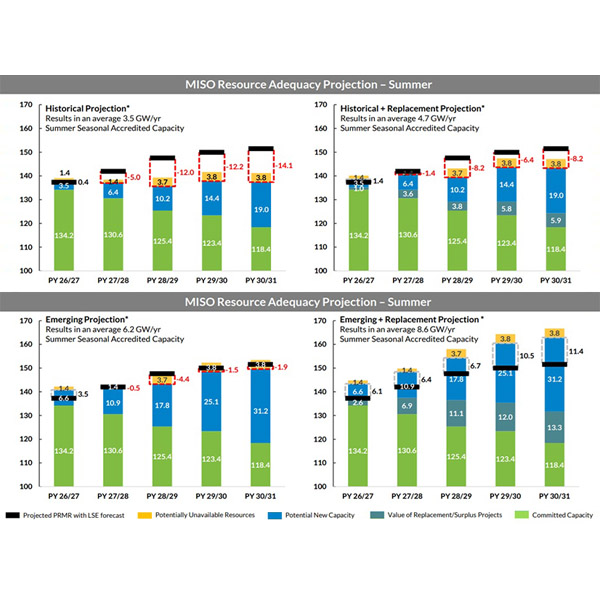
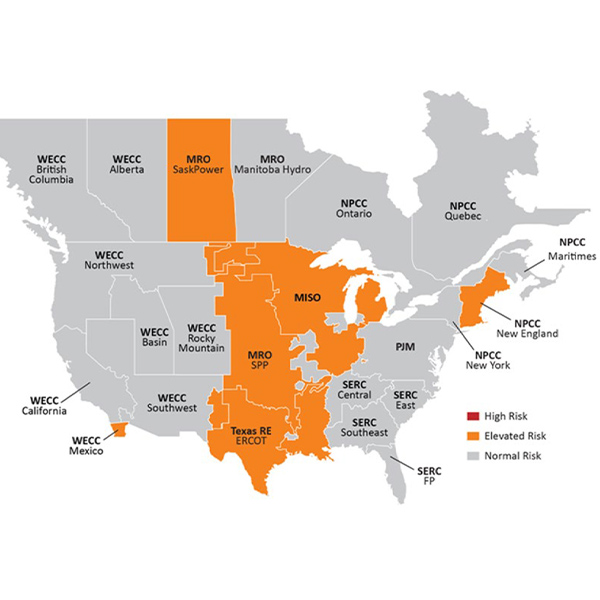
The Organization of MISO States and MISO are confident the footprint will be resource-sufficient in the 2026/27 planning year but said anything from an 11.4-GW surplus to a 14.1-GW deficit could be in store by the 2030/31 planning year.
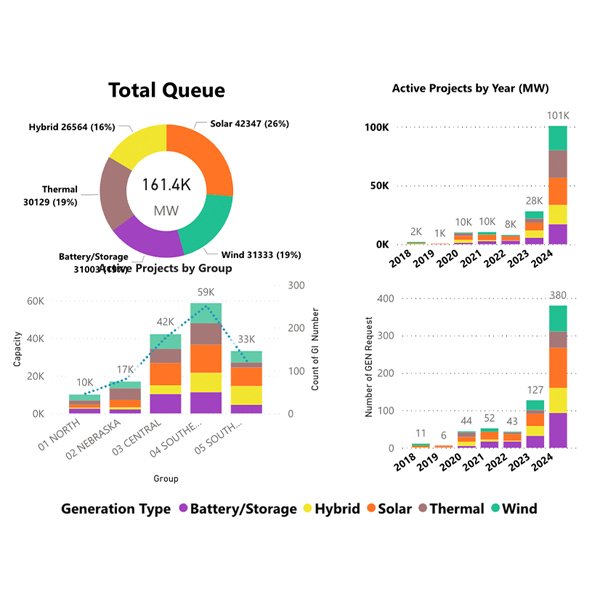
SPP and Hitachi announced a partnership to produce an integrated AI-based solution they say will reduce study-analysis times by 80% in the GI process to meet escalating demand.
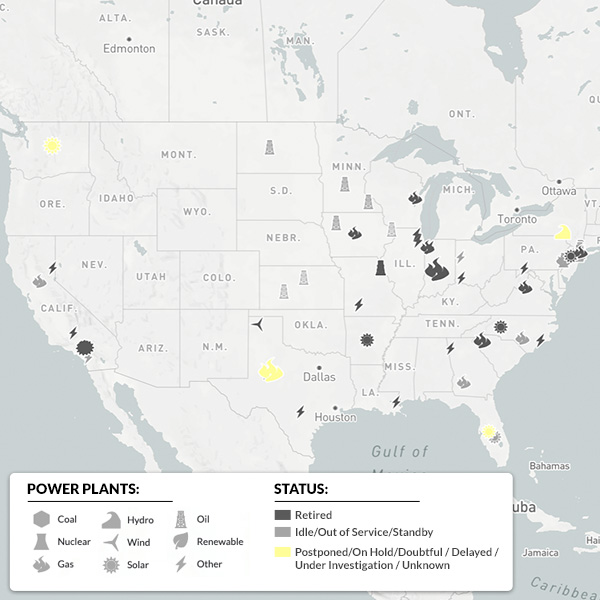
FERC spent June 4-5 looking into resource adequacy across the markets it regulates.

IESO politely said “no” to many of the stakeholder-requested changes to the design of its proposed Local Generation Program, but noted it will include the raised concerns in its report to the Ontario government in July and signaled it was open to further discussing others before then.
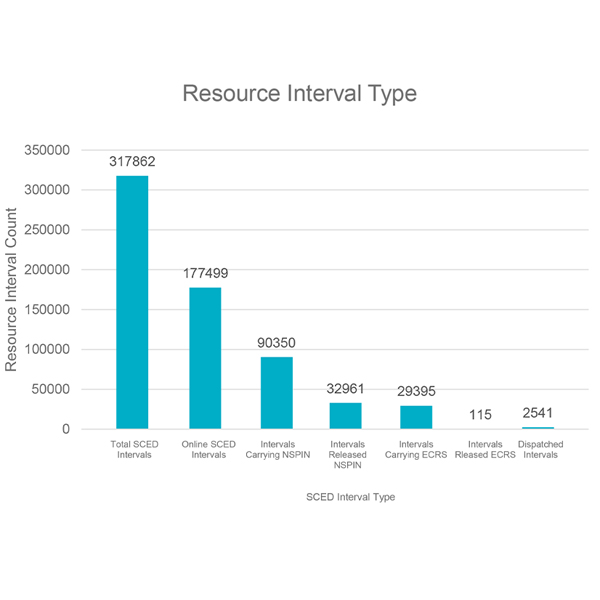
ERCOT stakeholders advanced a protocol change that provides longer-duration ancillary services and state-of-charge parameters, among several other voting items, during their last TAC meeting.
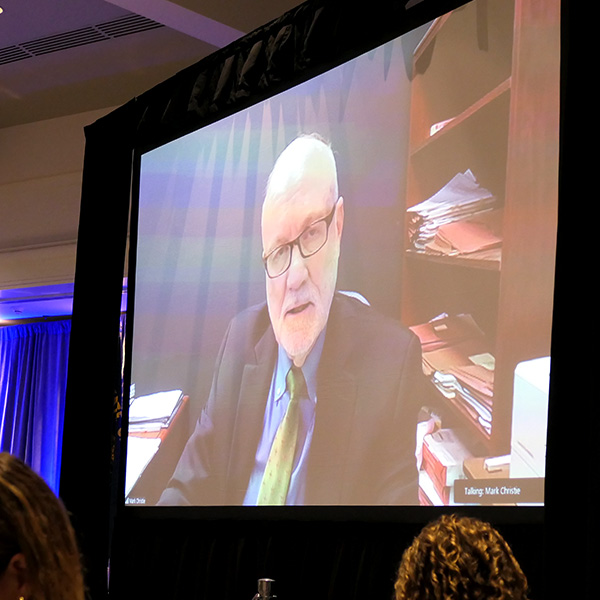
Outgoing FERC Chair Mark Christie and former Colorado Gov. Bill Ritter both emphasized that the West controls the future of the Western interconnection, not Washington.
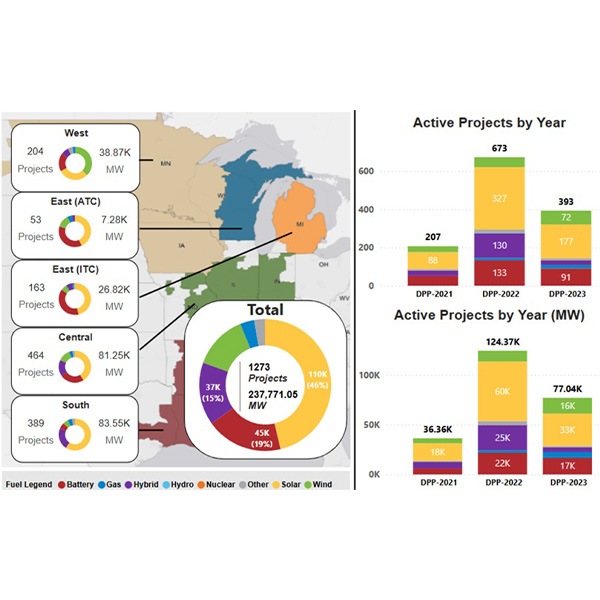
MISO’s 2022 and 2023 generator interconnection queue cycles are lagging behind their stated timelines once again as the RTO continues working to produce study results in a new, automated process.
Want more? Advanced Search
